




Precautions when you use solenoid valve

Once you find leakage, the valve can not be opened / closed, no response after energizing, etc., immediately shut down the main valve, disconnect the power supply of the electromagnetically operated valve, contact a professional to repair, do not disassemble the valve body, then check and replace the electromagnetically operated valve;
It is prohibited to pound the valve body with hard material or pull the wires to avoid damaging the internal valve core or seal, causing the valve body to deform.
Welcome to visit our website: www.ekgas.com


🔧 Main Components
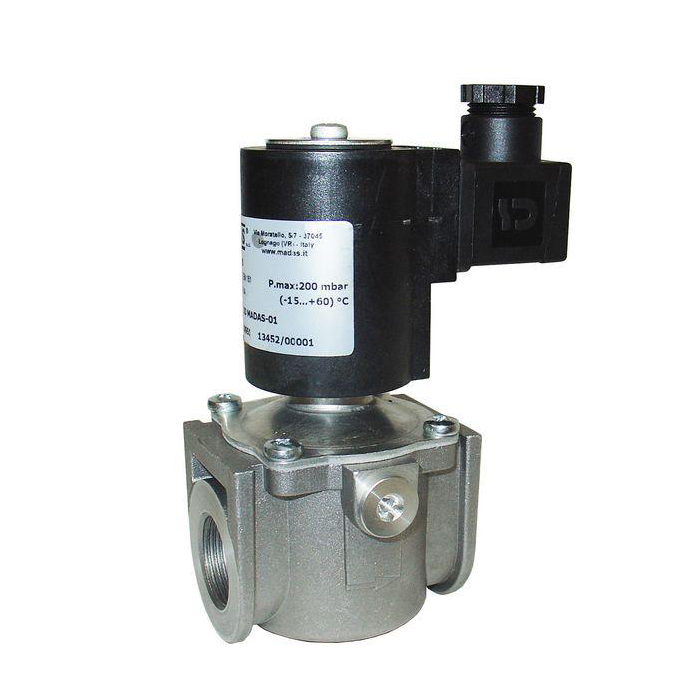
Coil (Solenoid): Converts electrical energy into magnetic force.
Plunger or Armature: Moves inside the coil to open or close the valve.
Valve Body: Contains the flow path for the fluid or gas.
Spring: Returns the plunger to its original position when power is off.
⚙️ Working Principle
When electricity is supplied to the solenoid coil:
The coil generates a magnetic field.
This magnetic field pulls the plunger upward (or downward), changing the valve state (open or closed).
When the current stops, the spring pushes the plunger back, returning the valve to its normal position.
🧩 Types
Normally Closed (NC): Valve is closed when de-energized, opens when powered.
Normally Open (NO): Valve is open when de-energized, closes when powered.
Direct-acting: Solenoid directly moves the valve mechanism.
Pilot-operated: Uses pressure differential to assist valve movement (common in larger valves).
💡 Applications
Gas or water pipelines
Industrial automation
HVAC systems
Fuel control in burners
Irrigation systems
Medical and laboratory equipment
Latest Posts

July 28, 2025

Leave a comment