




How a solenoid valve works
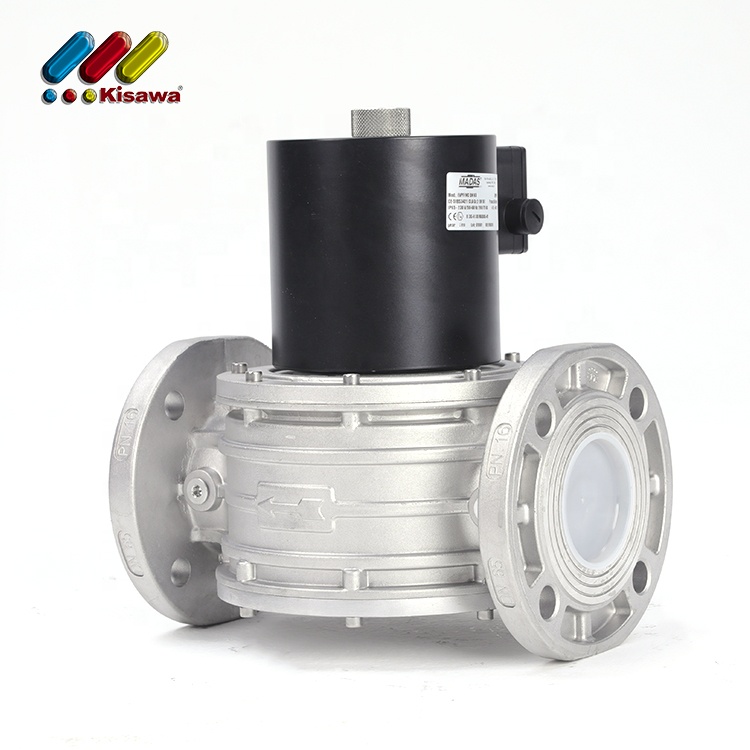
A solenoid valve is an electromechanical device used to control the flow of liquids or gases automatically. It works by using an electromagnet (the solenoid) to move a plunger that opens or closes the valve.
Here’s a simple step-by-step explanation of how it works from Ekgas:
Basic Components
A solenoid valve from ekgas typically has:
- Coil (Solenoid): An electric coil that creates a magnetic field when energized.
- Plunger or Armature: A movable iron or steel rod inside the coil.
- Spring: Keeps the plunger in its default position (normally closed or open).
- Valve Body: Contains the inlet, outlet, and flow passage.
When the coil is energized
- Electric current energizes the coil, creating a magnetic field.
- The magnetic field pulls the plunger upward (against the spring force).
- This opens or closes the valve, changing the flow path.
Types of Solenoid Valves
- Direct-acting: The plunger directly opens or closes the flow path.
- Used for small flow rates and low pressures.
- Pilot-operated (servo): Uses system pressure to help open/close the valve.
- Better for larger flow and higher pressure systems.
Typical Applications
- Gas or liquid flow control in pipelines
- Water and air control in automation systems
- Fuel control in burners
- Pneumatic and hydraulic systems
- Example:
In a gas burner system, a normally closed solenoid valve prevents gas flow when the power is off (safety).
When the control system sends an electrical signal, the solenoid energizes, opening the valve and allowing gas to flow to the burner.
Latest Posts

July 28, 2025

Leave a comment