




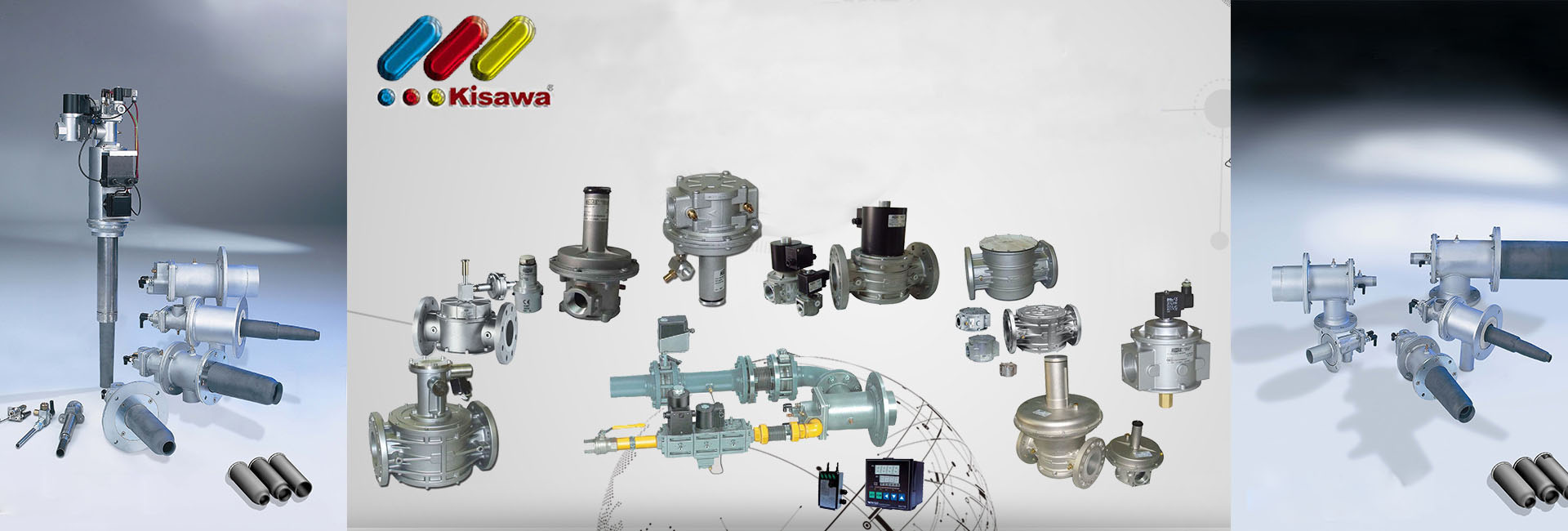
Solenoid valve
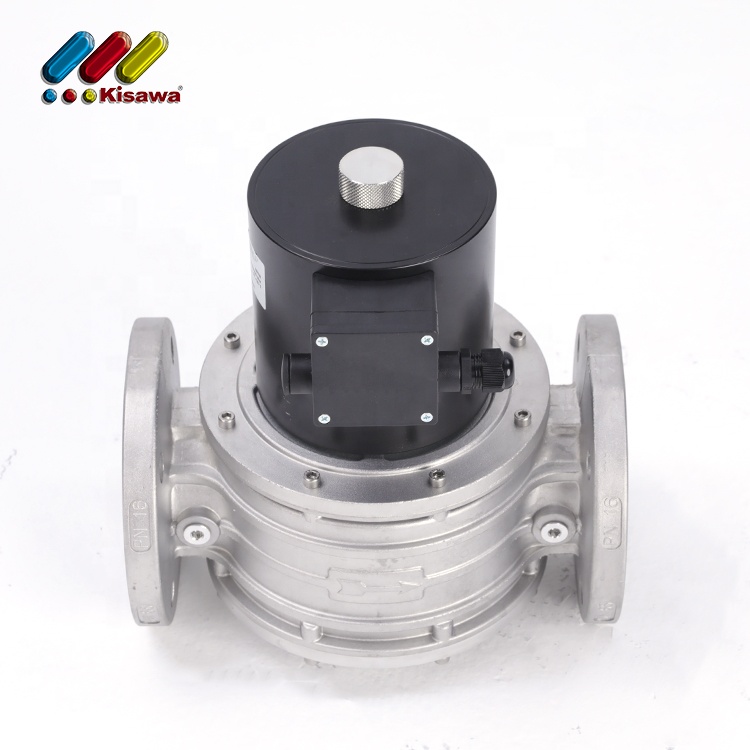
A Ekgas solenoid valve is an electromechanical device used to control the flow of liquids or gases. It uses an electric current to generate a magnetic field in a coil (solenoid), which moves a plunger to open or close the valve.
What Is a Ekgas Solenoid Valve?
A solenoid valve converts electrical energy into mechanical movement to control flow. It typically consists of:
-
Coil (Solenoid): Generates a magnetic field when energized.
-
Plunger/Core: Moves up or down due to magnetic force.
-
Valve Body: Contains inlet/outlet ports and flow passage.
-
Orifice: The opening through which fluid or gas flows.
-
Spring: Returns the plunger to its original position when de-energized.
How It Works
When the coil receives an electric signal:
-
Energized: Magnetic field pulls the plunger → Opens or blocks the flow.
-
De-energized: Spring returns the plunger to its original position → Opposite action occurs.
It works automatically with electrical control, making it ideal for remote or automated systems.
🛠 Types of Solenoid Valves
| Type | Description | Application |
|---|---|---|
| Normally Closed (NC) | Valve closed without power | Safety shutoff, gas control |
| Normally Open (NO) | Valve open without power | Venting, low-pressure flow |
| Direct Acting | Works without pressure; small flow | Laboratory, low pressure |
| Pilot Operated | Uses system pressure; larger flow | Water, HVAC, irrigation |
Common Applications
-
Gas and liquid pipelines
-
HVAC and refrigeration systems
-
Industrial automation
-
Water treatment and irrigation
-
Medical and laboratory equipment
-
Burners, boilers, and combustion systems
Latest Posts

July 28, 2025

Leave a comment