



How to keep a solenoid valve working well
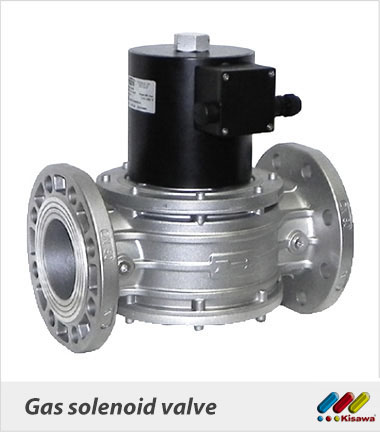
Ekgas, keeping a solenoid valve working well depends on correct selection, proper installation, and regular maintenance. Here’s a practical, industry-friendly guide—especially relevant for gas, air, steam, or liquid systems.
1. Choose the Right Solenoid Valve
Before installation, make sure the valve matches your application:
-
Correct medium (gas, air, water, oil, steam)
-
Pressure range (min & max working pressure)
-
Voltage & frequency (AC/DC, 50/60Hz)
-
Temperature limits
-
Normally Open (NO) or Normally Closed (NC) type
Using the wrong valve is the most common cause of early failure.
2. Install It Correctly
Proper installation greatly extends service life:
-
Install in the correct flow direction (follow the arrow on the valve body)
-
Keep the coil upright (vertical) when possible
-
Avoid pipe stress—use proper pipe alignment
-
Seal threads correctly to prevent leaks
-
Ensure wiring is done according to the rated voltage
3. Keep the Fluid Clean
Contamination is the #1 enemy of solenoid valves:
-
Install a filter or strainer upstream
-
Regularly clean or replace the filter
-
Avoid rust, debris, oil sludge, or moisture entering the valve
Clean media = smooth valve movement
4. Prevent Coil Overheating
The solenoid coil must stay within safe limits:
-
Do not exceed rated voltage (overvoltage overheats the coil)
-
Ensure good ventilation around the coil
-
Avoid continuous energization if the valve is not designed for it
-
Check coil temperature during operation
Overheating shortens coil life dramatically.
5. Perform Regular Inspections
Set up a simple maintenance routine:
-
Check for leakage at seals and joints
-
Listen for abnormal noise or buzzing
-
Verify fast opening/closing response
-
Inspect wiring connections for looseness or corrosion
6. Clean Internal Parts Periodically
If performance drops:
-
Power off and depressurize the system
-
Remove the valve and clean:
-
Plunger
-
Core tube
-
Seals
-
-
Use suitable cleaning agents (no harsh chemicals)
Never scratch the plunger or core surface.
7. Protect from Harsh Environments
Environmental factors matter:
-
Use IP-rated coils for dusty or wet areas
-
Protect from rain, vibration, and corrosive gases
-
In cold environments, prevent freezing
-
In hot zones, use heat-resistant coils
8. Replace Wear Parts on Time
Some parts naturally wear out:
-
Seals
-
Springs
-
Coil (after long service hours)
Replacing small parts early prevents system shutdowns.
9. Keep Spare Valves or Coils
For critical systems:
-
Keep spare coils or complete valves
-
Label voltage and valve type clearly
-
This reduces downtime during emergencies
- Phone: 86 185 6630 3837
WhatsApp: 86 185 66303837
Email: ekelairn@gmail.com
Web: http://www.ekgas.com
Latest Posts

July 28, 2025

Leave a comment