How to set an industrial gas combustion system
1. Confirm Process & Design Parameters
Before any installation or adjustment, clearly define:
-
🔥 Required heat input (kW / kcal / BTU)
-
🌡️ Operating temperature range
-
⚙️ Furnace/kiln type (rotary kiln, tunnel kiln, furnace, dryer, boiler)
-
⛽ Gas type (natural gas, LPG, propane, biogas)
-
📈 Gas supply pressure & flow
-
🌬️ Combustion air source (natural draft or forced draft)
-
🔄 Control mode (ON/OFF, high–low, proportional)
These parameters determine burner size, control valves, and safety devices.
2. Install the Gas Train (According to Standards)
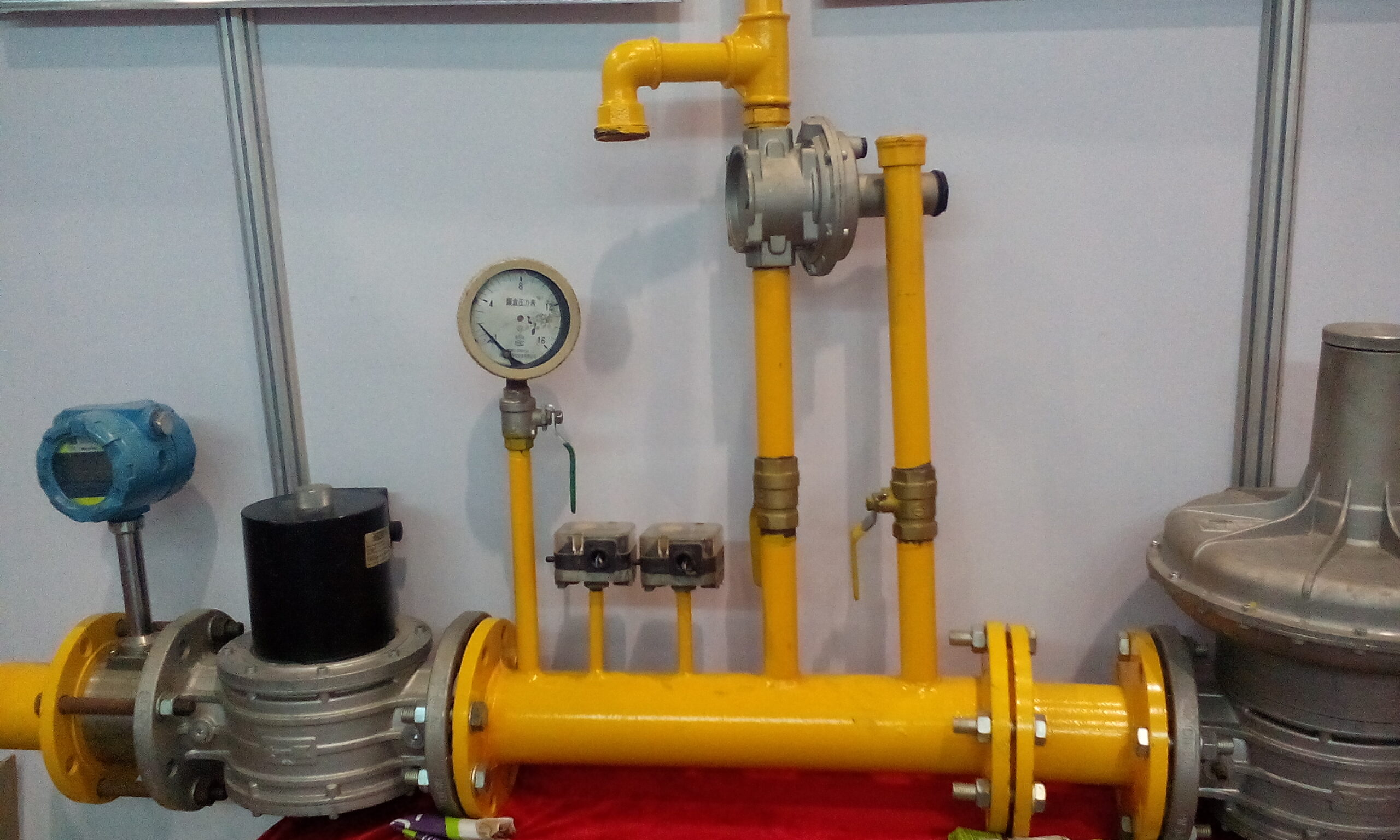
A typical industrial gas train includes (upstream → downstream):
-
Manual shut-off valve
-
Pressure switches (low & high)
-
Safety solenoid valves (double block & bleed recommended)
-
Flow control valve or proportional valve
-
Burner inlet connection
⚠️ Follow EN 746 / EN 676 / NFPA 54 / local codes strictly.
3. Install the Burner & Combustion Air System
-
Mount the burner axially and securely
-
Ensure correct flame shape and length for the furnace chamber
-
Install:
-
Combustion air blower (if forced draft)
-
Air damper or air control valve
-
Air pressure switch
-
-
Seal all flanges to prevent air leakage
4. Electrical & Control Wiring
Connect the following to the burner management system (BMS):
-
Ignition transformer / spark igniter
-
Flame detector (UV, IR, or ionization probe)
-
Gas solenoid valves
-
Air pressure switch
-
Gas pressure switches
-
Temperature controller / PLC
-
Emergency stop circuit
✔️ Interlocks must ensure:
-
No gas without air
-
No ignition without correct pressure
-
Automatic shutdown on flame failure
5. Pre-Commissioning Safety Checks
Before first ignition:
-
✅ Leak test all gas connections
-
✅ Verify correct gas pressure
-
✅ Check blower rotation direction
-
✅ Confirm air & gas pressure switch setpoints
-
✅ Ensure exhaust/flue path is clear
-
✅ Verify flame detector alignment
6. Ignition & Start-Up Procedure
-
Start combustion air blower
-
Pre-purge furnace (typically 30–60 seconds)
-
Open pilot gas valve (if equipped)
-
Ignite pilot flame
-
Prove flame signal
-
Open main gas valve
-
Ramp to low fire position
🔥 Flame must be stable, blue, and well-anchored.
7. Air–Gas Ratio Adjustment (Critical Step)
-
Start at low fire
-
Adjust air damper for clean combustion
-
Increase to high fire
-
Fine-tune gas and air valves
-
Measure with flue gas analyzer:
-
O₂: 2–5%
-
CO: < 50 ppm (typical target)
-
-
Avoid yellow flames or flame lift-off
8. Set Safety & Operating Parameters
-
Low / high gas pressure switch settings
-
Flame failure response time
-
High-temperature limit
-
Burner modulation limits
-
Emergency shutdown logic
9. Trial Operation & Documentation
-
Run system at different loads
-
Observe flame stability & temperature uniformity
-
Record:
-
Gas pressure
-
Air pressure
-
O₂ / CO readings
-
Control settings
-
📄 Keep commissioning records for maintenance and audits.
10. Operator Training & Maintenance Plan
-
Train operators on:
-
Start/stop procedures
-
Emergency shutdown
-
Abnormal flame detection
-
-
Schedule:
-
Burner cleaning
-
Filter inspection
-
Flame sensor cleaning
-
Annual safety inspection
-
⚠️ Important Safety Note
Industrial gas combustion systems must be commissioned by qualified personnel. Incorrect setup can cause fire, explosion, or equipment damage.
Phone: 86 185 6630 3837
WhatsApp: 86 185 66303837
Email: ekeilairn@gmail.com
www.http://ekgas.com
Leave a comment