



How to achieve an industrial gas regulator
To achieve (select and apply) an industrial gas regulator correctly, you need to focus on selection, installation, and operation. Here is a clear step-by-step guide:
1️⃣ Define Your Application Requirements
Before choosing a regulator, confirm:
-
Gas type (Natural gas, LPG, biogas, etc.)
-
Inlet pressure range
-
Required outlet pressure
-
Maximum flow rate (Nm³/h or m³/h)
-
Operating temperature
-
Indoor or outdoor installation
-
Required standards (CE in Europe, especially in Germany)
2️⃣ Select the Correct Regulator Type
✔ Direct-acting regulator
-
Simple structure
-
Suitable for small/medium flow
-
Fast response
-
Lower cost
✔ Pilot-operated regulator
-
High flow capacity
-
More stable outlet pressure
-
Better for industrial combustion systems
If you are using it for burners or thermal systems, pilot-operated types are usually more stable.
3️⃣ Check Important Technical Parameters
-
Pressure rating (PN16 / PN25 etc.)
-
Flow coefficient (Kv or Cv value)
-
Connection size (DN25, DN50, etc.)
-
Material compatibility (body: cast iron, steel, stainless steel)
-
Built-in safety shut-off valve (SSV) if required
4️⃣ Choose Reliable Brands (Optional but Recommended)
Common industrial regulator manufacturers:
-
Emerson (Fisher regulators)
-
Honeywell
-
Dungs
-
Kromschröder
5️⃣ Proper Installation
To achieve good performance:
-
Install pressure gauge before and after
-
Keep straight pipe section (5D upstream recommended)
-
Avoid vibration
-
Ensure correct flow direction
6️⃣ Commissioning & Adjustment
-
Slowly open upstream valve
-
Adjust spring setting screw gradually
-
Check outlet pressure stability
-
Perform leak test
-
Test safety devices (if equipped)
7️⃣ Regular Maintenance
-
Check diaphragm condition
-
Clean internal filter (if any)
-
Inspect pressure stability
-
Calibrate annually
✅ Simple Summary
To achieve an industrial gas regulator successfully:
-
Match gas + pressure + flow
-
Choose correct type (direct or pilot)
-
Install properly
-
Adjust carefully
-
Maintain regularly
Industrial Gas Regulator – Usage Guide
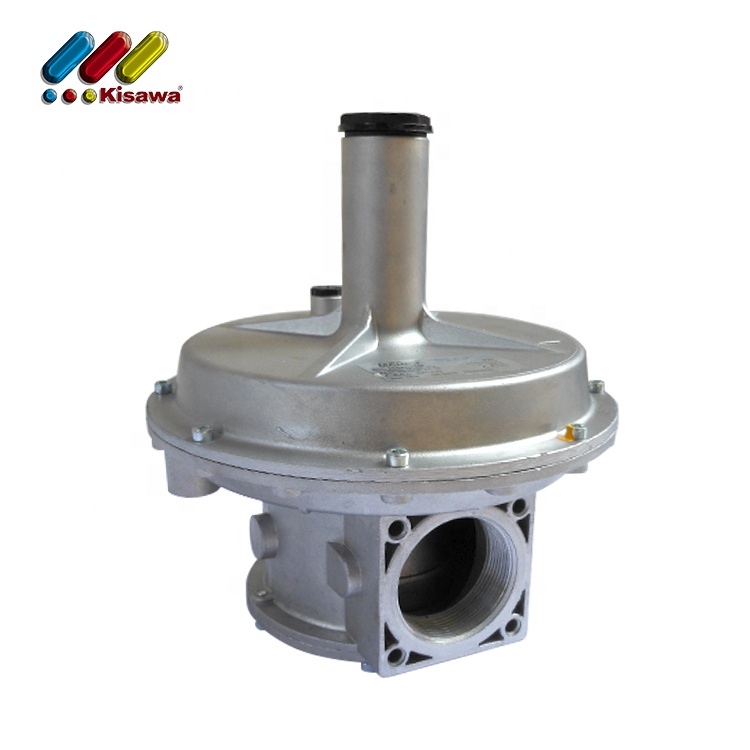
An industrial gas regulator is used to reduce high inlet gas pressure (from cylinder or pipeline) to a stable, safe working pressure for burners or equipment.
1️⃣ Main Function
Reduce high gas pressure
Maintain constant outlet pressure
Protect downstream equipment (burner, valves, gauges)
Improve combustion stability
2️⃣ Installation Steps
✔ PositionInstall vertically (recommended)
Follow the flow direction arrow
Keep away from vibration and high temperature
✔ Before Installation
Clean the pipeline (no dust or welding slag)
Check gas type (Natural gas, LPG, biogas, etc.)
Confirm pressure range matches system requirement
✔ Safety Devices (Recommended)
Install a shut-off valve before regulator
Install a gas filter before regulator
Install a pressure gauge before and after regulator
3️⃣ Start-Up Procedure
Close downstream valve
Slowly open upstream gas valve
Adjust regulator screw/knob clockwise to increase outlet pressure
Monitor outlet pressure gauge
Slowly open downstream valve
⚠ Always adjust slowly to avoid pressure shock.
4️⃣ During Operation
Check for pressure fluctuation
Listen for abnormal noise
Check for gas leakage (use soap water test)
Keep ventilation good
If outlet pressure is unstable:
Check gas filter
Check inlet pressure stability
Inspect diaphragm and spring inside regulator
5️⃣ Maintenance
Clean filter regularly
Check diaphragm every 6–12 months
Replace damaged seals
Calibrate pressure gauge yearly
6️⃣ Common Problems
Problem Possible Cause
Outlet pressure too high Diaphragm damaged
No pressure output Inlet valve closed / blocked filter
Pressure fluctuates Inlet pressure unstable
Gas leakage Seal wornPhone: 86 185 6630 3837
WhatsApp: 86 185 66303837
Email: ekelairn@gmail.com
http://www.ekgas.com
Latest Posts

July 28, 2025

Leave a comment