How to choose an industrial gas solenoid valve for gas train?
How to choose an industrial gas solenoid valve for gas train
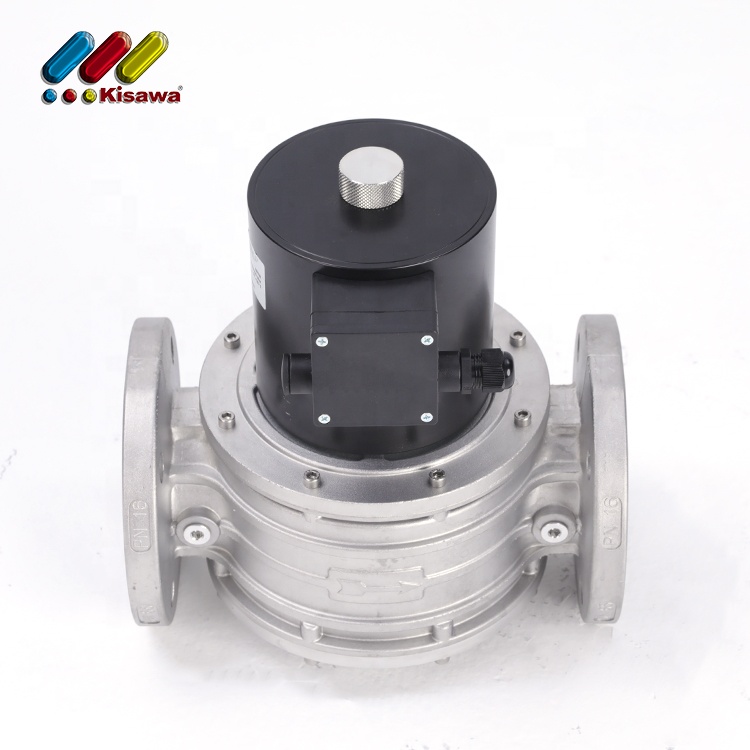
Choosing a gas solenoid valve for a gas train (burner system) is mainly about safety, compatibility, and correct sizing. In industrial combustion systems, the solenoid valve acts as a safety shut-off device, quickly stopping gas flow if the control system detects a fault or shutdown condition.
Below are the key factors engineers usually consider.
1. Gas Type (Medium Compatibility)
First confirm the type of gas used in the burner system.
Examples:
-
Natural gas
-
LPG / propane
-
biogas
-
hydrogen
The valve body and seal material must be compatible with the gas to avoid corrosion or leakage. For example:
-
Brass → common for natural gas
-
Stainless steel → corrosive or special gases
-
NBR / FKM seals → hydrocarbons and fuels
2. Working Pressure Range
Check the minimum and maximum gas pressure in the gas train.
Selection rule:
-
Valve pressure rating should be 25–50% higher than system pressure to handle pressure spikes.
Example
-
Gas train pressure: 200 mbar
-
Recommended valve rating: ≥300 mbar
Also determine:
-
Maximum inlet pressure
-
Differential pressure requirement
3. Flow Capacity (Kv or Cv)
The solenoid valve must pass enough gas for the burner capacity.
Important parameters:
-
Kv / Cv value
-
Valve orifice size
-
Pipeline diameter (DN)
If the valve is too small:
-
gas flow is restricted
-
burner output becomes unstable
If it is too large:
-
poor control and unstable combustion may occur.
4. Valve Type (Direct or Pilot Operated)
Direct-acting
-
Works at zero pressure
-
Suitable for small pipe sizes
-
Faster response
Pilot-operated
-
Requires pressure difference
-
Better for large flow and larger DN pipelines
Industrial gas trains commonly use pilot-operated valves.
5. Valve Function (Safety Mode)
Two main options:
Normally Closed (NC) – most common
-
Valve closes when power is lost
-
Ensures automatic gas shut-off
Normally Open (NO)
-
Used only in special applications
For burner gas trains, NC is standard for safety systems.
6. Electrical Specifications
Check compatibility with the control system:
-
Coil voltage (24V DC / 110V / 220V AC)
-
Power consumption
-
Response time
-
IP protection rating
-
Explosion-proof coil (if hazardous area)
7. Certifications and Safety Standards
Gas train valves must comply with safety regulations.
Common certifications:
-
CE
-
DVGW
-
ATEX (explosion-proof areas)
-
ISO / ANSI fuel gas standards
8. Gas Train Safety Configuration
Industrial burner gas trains usually install:
-
Two solenoid safety shut-off valves in series
-
Gas pressure switch
-
leak detection system (for large burners)
This arrangement ensures gas is completely shut off if a fault occurs.
✅ Typical selection example
| Parameter | Example |
|---|---|
| Gas | Natural gas |
| Pipe size | DN25 |
| Pressure | 50–200 mbar |
| Valve type | Pilot-operated |
| Function | Normally Closed |
| Voltage | 220V AC |
| Certification | CE / DVGW |
💡 Simple rule used by many engineers:
Choose a gas solenoid valve based on Gas type + Pressure + Flow + Pipe size + Safety certification.
Phone: 86 185 6630 3837
WhatsApp: 86 185 66303837
Email: ekelairn@gmail.com
Web.: http://ekgas.com
Categories
Popular tags
Actuator
Better industrial gas filter
Burner
Burner controller
Burtterfly valve
Butterfly valve
combustion
Controller
Electric actuators
Filter
Gas burner
Gas controller
Gas filter
Gas mixer
Industrial burner
Industrial gas burner
Porportional valve
Proportional valve
Regulatoer
Regulator
Relief valve
Shut off valve
Solenoid valve
Thermal energy equipment
Latest Posts
July 28, 2025
Do you know electric actuator?
April 13, 2026
How to keep an industrial gasl regulator works well
April 11, 2026
How to keep an industrial gas filter works well
April 10, 2026
How to select a good gas burner for a gas train
April 9, 2026
How to select a good gas fitler for a gas train
April 8, 2026
Leave a comment