



How to keep a gas regulator working well
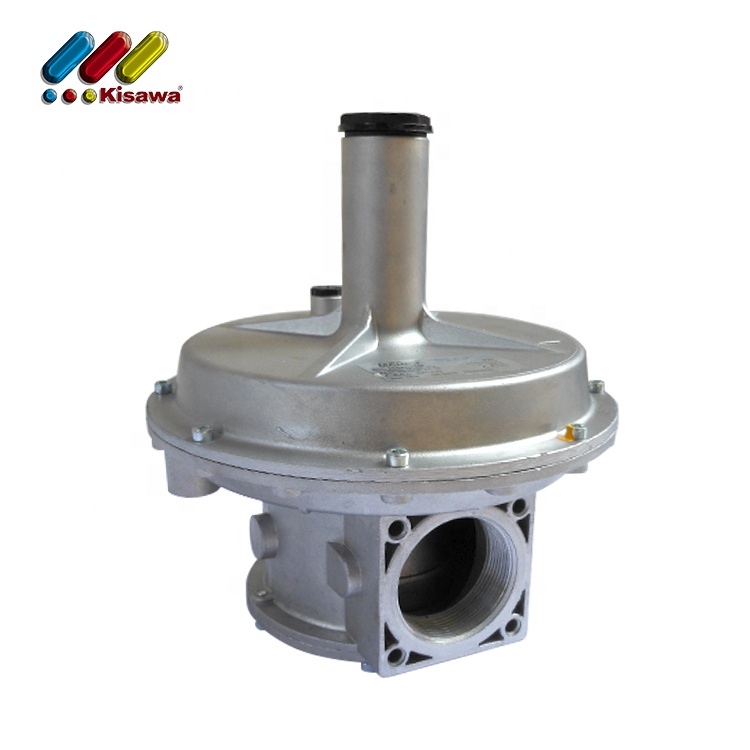
Ekgas, To keep a gas regulator working well and safely, regular inspection, proper operation, and correct installation are essential. Below is a practical maintenance guide commonly used in industrial and commercial gas systems.
1. Install the Regulator Correctly
-
Ensure gas type, pressure range, and flow capacity match the application
-
Install in the correct flow direction (check arrow on body)
-
Use proper pipe alignment to avoid mechanical stress
-
Install a gas filter/strainer upstream to protect internal parts
2. Keep Gas Clean and Dry
-
Moisture, dust, and oil are the main causes of regulator failure
-
Use a gas filter and moisture separator when needed
-
Periodically drain filters and separators
3. Regular Inspection & Visual Checks
Check at scheduled intervals:
-
External gas leaks (use leak detection solution, not flame)
-
Corrosion or rust on body and fittings
-
Cracked diaphragm housing
-
Loose connections or vibration damage
Recommendation: Inspect monthly for industrial systems
4. Monitor Pressure Performance
-
Check outlet pressure stability
-
Watch for:
Pressure creep (pressure slowly rising)Pressure drop under load
-
Use a pressure gauge downstream of the regulator
If pressure is unstable, the diaphragm or valve seat may be worn.
5. Protect the Regulator from Environment
-
Install outdoor regulators with protective covers
-
Avoid exposure to:
-
Rain and dust
-
High temperatures
-
Direct flame or radiant heat
-
-
Keep vents clear (especially for diaphragm regulators)
6. Avoid Overpressure & Shock
-
Do not exceed maximum inlet pressure
-
Open upstream gas valves slowly
-
Use:
-
Overpressure shut-off valve
-
Relief valve if required by code
-
7. Perform Periodic Maintenance
Depending on usage:
-
Clean internal parts (by qualified personnel)
-
Replace diaphragm, O-rings, and valve seat if worn
-
Calibrate or re-adjust outlet pressure
Always shut off gas and depressurize before maintenance.
8. Replace When Necessary
Replace the regulator if you notice:
-
Frequent pressure instability
-
Gas leakage from vent
-
Diaphragm failure
-
Regulator age exceeds manufacturer recommendation
9. Follow Standards & Manufacturer Guidelines
-
Follow local gas safety codes
-
Use original spare parts
-
Keep maintenance records
Summary Checklist
Correct installation
Clean gas supply
Regular inspection
Stable pressure monitoring
Environmental protection
Scheduled maintenance
Phone: 86 185 6630 3837
WhatsApp: 86 185 66303837
Email: ekelairn@gmail.com
Web: http://www.ekgas.com
Latest Posts

July 28, 2025
Do you know electric actuator?

April 13, 2026
How to keep an industrial gasl regulator works well

April 11, 2026
How to keep an industrial gas filter works well

April 10, 2026
How to select a good gas burner for a gas train
April 9, 2026
How to select a good gas fitler for a gas train

April 8, 2026

Leave a comment