


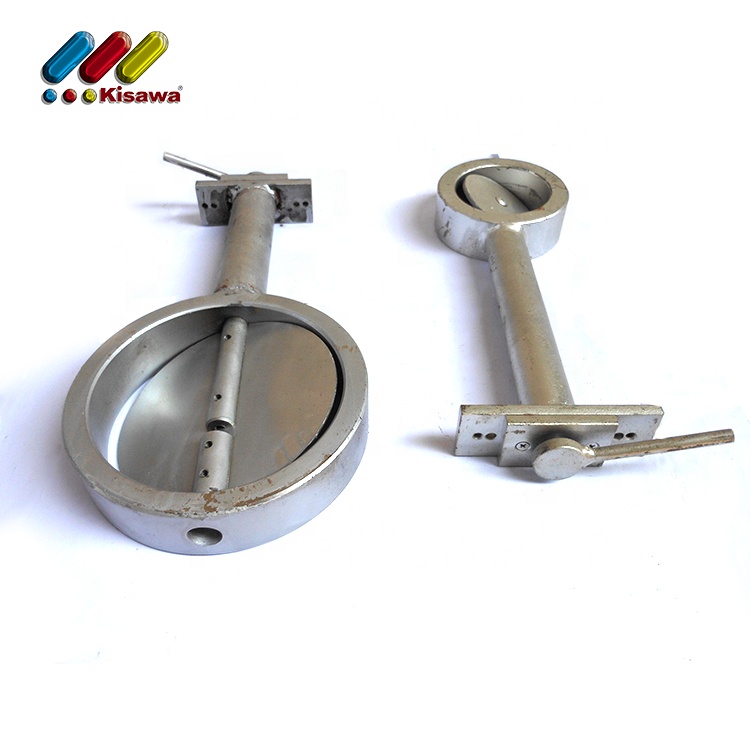
How to keep an industrial gas butterfly valve works well for a gas train
Keeping an industrial gas butterfly valve working reliably in a gas train comes down to clean gas, correct operation, and regular inspection. Here’s a practical, field-oriented guide:
1. Ensure Clean Gas Supply (Most Critical)
-
Install and maintain upstream filters/strainers (typically 50–100 μm depending on valve spec).
-
Drain condensate regularly if gas contains moisture.
-
Contaminants (dust, rust, oil) will damage sealing surfaces and shaft bearings, leading to leakage or sticking.
2. Operate Within Design Limits
-
Pressure & temperature: Stay within rated limits (check PN/Class and temperature rating).
-
Flow velocity: Excessive velocity causes vibration and erosion of the disc and seat.
-
Avoid using the valve in nearly closed position for long periods unless it’s designed for throttling.
3. Proper Actuation & Control
-
If automated (electric/pneumatic actuator):
-
Check actuator calibration and stroke limits.
-
Ensure correct open/close timing (too fast → shock; too slow → instability).
-
-
Verify position feedback signals (if part of control loop).
-
Avoid frequent unnecessary cycling → reduces wear.
4. Regular Inspection Routine
Set a maintenance schedule based on usage:
Daily / Weekly
-
Check for:
-
External leakage (flange, shaft seals)
-
Abnormal noise or vibration
-
Smooth opening/closing
-
Monthly / Quarterly
-
Inspect:
-
Seat wear (soft seat damage or metal seat scoring)
-
Disc condition (erosion, corrosion)
-
Stem/shaft alignment
-
-
Tighten flange bolts if needed (follow torque specs).
5. Lubrication (if applicable)
-
Many gas butterfly valves are maintenance-free, but:
-
Lubricate gear operators or actuator linkages if present.
-
Do NOT over-lubricate near gas path unless specified (risk of contamination).
-
6. Leak Testing
-
Perform periodic seat leakage tests:
-
Bubble test or pressure drop test.
-
-
For safety-critical gas trains, ensure compliance with standards like:
-
EN 161 / EN 16678 / ISO 23553 / NFPA 86 (depending on region/application)
-
7. Protect Against Corrosion
-
Use proper materials (e.g., stainless steel, coated carbon steel) for gas composition.
-
Inspect for:
-
Rust on body/shaft
-
Chemical attack (especially with biogas or corrosive gases)
-
8. Correct Installation Practices
-
Ensure:
-
Proper alignment of flanges (no pipe stress)
-
Correct flow direction (if specified)
-
Adequate straight pipe lengths upstream/downstream for stable flow
-
9. Avoid Common Mistakes
-
Using butterfly valve as a tight shut-off when not designed for it
-
Skipping filtration → #1 cause of failure
-
Ignoring small leaks → they worsen quickly in gas systems
-
Oversizing valve → poor control and seat wear
10. Spare Parts & Replacement Strategy
-
Keep critical spares:
-
Seat (liner)
-
Shaft seals
-
Actuator components
-
-
Replace valve if:
-
Seat leakage exceeds acceptable limits
-
Disc or body is significantly eroded
-
Quick Checklist (Field Use)
-
✔ Clean gas (filter OK?)
-
✔ No leakage
-
✔ Smooth movement
-
✔ Actuator calibrated
-
✔ No abnormal noise/vibration
-
✔ Within pressure/temperature limits
- Phone: +86 185 6630 3837
WhatsApp: +86 185 66303837
Email: ekelairn@gmail.com
Web.: http://ekgas.com
Leave a comment
