

How to keep an industrial gas filter works well
How to keep an industrial gas filter works well?
Keeping an industrial gas filter working well in a gas train is mostly about proper selection, regular maintenance, and monitoring. Here’s a practical, field-oriented guide:
1. Install It Correctly (Foundation matters)
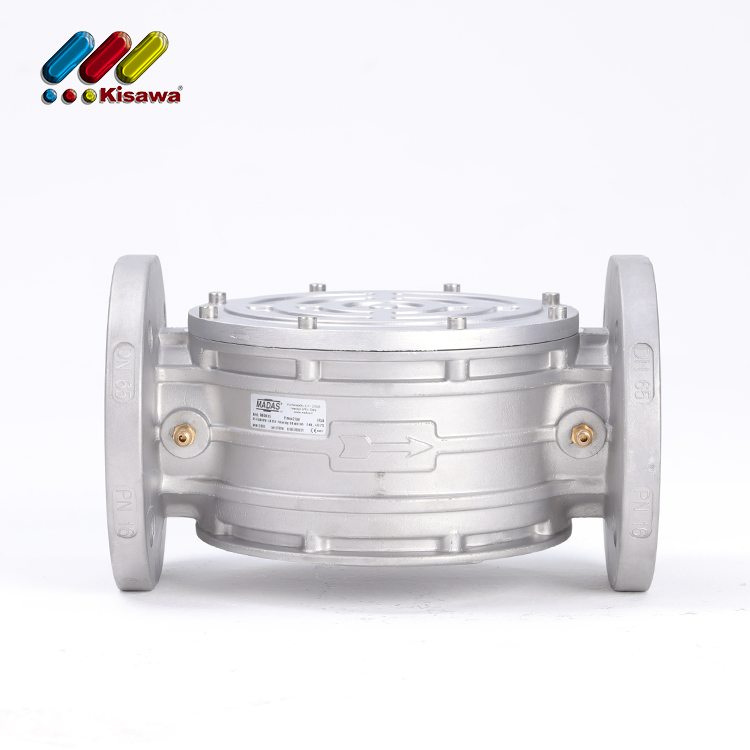
- Flow direction: Always match the arrow on the filter body.
- Orientation: Install as recommended (horizontal/vertical) to avoid dust accumulation issues.
- Upstream protection: Ensure no large debris enters (e.g., use coarse pre-filter if gas is dirty).
- Accessibility: Leave enough space for easy cleaning and cartridge replacement.
2. Monitor Pressure Drop (Key indicator)
- Install pressure gauges before and after the filter.
- Track ΔP (pressure differential):
- Low ΔP → normal
- Increasing ΔP → clogging
- Set a maintenance threshold (commonly 50–150 mbar depending on design).
👉 This is the most reliable way to know when service is needed.
3. Clean or Replace Filter Element Regularly
- Cleaning cycle: Based on gas quality and operating hours.
- For reusable elements:
- Use compressed air (from inside out).
- Avoid damaging mesh or fibers.
- For disposable elements:
- Replace instead of cleaning.
- Always:
- Inspect for tears, corrosion, deformation.
4. Drain Condensate and Liquids
- Gas lines may contain:
- Moisture
- Oil
- Condensates
- If the filter has a drain port:
- Drain regularly (daily/weekly depending on system).
- Consider installing:
- Automatic drain valve if condensation is frequent.
5. Check Seals and Housing
- Inspect:
- Gaskets / O-rings
- Cover bolts
- Prevent:
- Gas leakage
- Bypass (unfiltered gas passing through)
- Replace seals during maintenance cycles.
6. Protect Against Corrosion and Contamination
- Ensure gas quality meets specification:
- Avoid excessive water, sulfur, dust, oil
- Use:
- Coated or stainless steel filters in corrosive environments.
- Keep the external body clean and dry.
7. Avoid Overloading the Filter
- Do not exceed:
- Rated flow capacity
- Maximum pressure
- Oversized flow → poor filtration efficiency
- Undersized filter → frequent clogging
8. Follow a Maintenance Schedule
Typical guideline:
- Daily / Weekly: Check pressure drop, drain condensate
- Monthly: Visual inspection
- Quarterly or as needed: Clean or replace element
- Annually: Full inspection and seal replacement
9. Keep Spare Parts Ready
- Filter elements
- Gaskets / O-rings
- Drain components
This reduces downtime during maintenance.
10. Record and Trend Data
- Log:
- Pressure drop
- Cleaning/replacement dates
- Helps predict:
- When clogging will occur
- Gas quality issues upstream
Common Problems & Quick Fixes
Pro Tip
If your system is critical (burners, boilers, ovens), consider:
- Dual filter (duty + standby) setup
This allows maintenance without shutting down the gas train.
Phone: +86 185 6630 3837
WhatsApp: +86 185 66303837
Email: ekelairn@gmail.com
Web.: http://ekgas.com
Categories
Popular tags
Actuator
Better industrial gas filter
Burner
Burner controller
Burtterfly valve
Butterfly valve
combustion
Controller
Electric actuators
Filter
Gas burner
Gas controller
Gas filter
Gas mixer
Industrial burner
Industrial gas burner
Porportional valve
Proportional valve
Regulatoer
Regulator
Relief valve
Shut off valve
Solenoid valve
Thermal energy equipment
Latest Posts
July 28, 2025
Do you know electric actuator?
April 13, 2026
How to keep an industrial gasl regulator works well
April 11, 2026
How to keep an industrial gas filter works well
April 10, 2026
How to select a good gas burner for a gas train
April 9, 2026
How to select a good gas fitler for a gas train
April 8, 2026

Leave a comment