




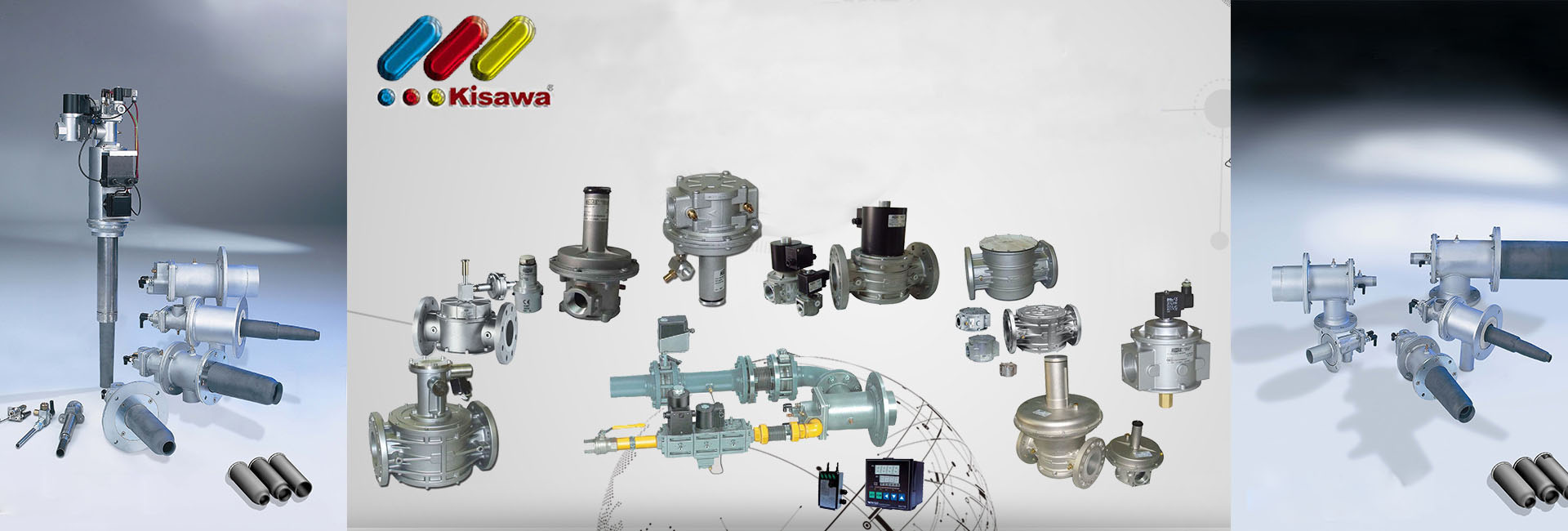
Keeping an industrial gas solenoid valve working well is mostly about clean gas, correct operation, and regular checks. Since you’re dealing with combustion systems a lot, I’ll keep this practical and field-tested 👇
1. Keep the Gas Clean (Most Important)
Dirty gas is the #1 killer of solenoid valves.
-
✅ Install a gas filter upstream (usually 40–100 μm)
-
🔄 Clean or replace the filter regularly
-
🚫 Prevent rust, welding slag, oil, and dust from entering the line
-
⚠️ After new pipeline installation, blow the line clean before connecting the valve
👉 Even a perfect solenoid valve will fail quickly with dirty gas.
2. Operate Within Rated Conditions
Never push a solenoid valve beyond its design limits.
-
Gas type: natural gas, LPG, biogas, etc. (must match valve approval)
-
Pressure range: not too high, not too low
-
Temperature: ambient and gas temperature within spec
-
Flow direction: follow the arrow on the valve body
⚠️ Low pressure is a common problem—many valves need a minimum pressure differential to open fully.
3. Electrical Power Care
Solenoid coils are sensitive.
-
🔌 Use correct voltage and frequency (e.g. 230VAC, 24VDC)
-
⚡ Keep voltage stable (±10% max)
-
🧯 Ensure good grounding
-
🕒 Avoid continuous energizing beyond the valve’s duty rating (unless it’s designed for it)
🔥 Overheating coils = shortened life.
4. Regular Inspection & Testing
Create a simple routine—monthly or quarterly.
Check:
-
👂 Abnormal noise or vibration
-
👃 Gas leakage (use gas detector or soap test)
-
🌡️ Coil temperature (hot is normal, too hot is not)
-
🧲 Response time (opening/closing delay)
👉 In burner safety systems, always do leak-tightness tests.
5. Clean Internal Parts (During Shutdown)
When the system is off and gas is isolated:
-
Remove the valve carefully
-
Clean plunger, core tube, and sealing surfaces
-
❌ Do NOT use abrasive tools
-
❌ Do NOT oil internal parts (unless manufacturer allows it)
If seals are worn → replace, don’t reuse.
6. Correct Installation Practices
Bad installation = early failure.
-
Valve mounted in recommended orientation (often horizontal)
-
Coil upright if specified
-
Pipe stress not transferred to valve body
-
Enough space for coil removal and maintenance
7. Use the Right Valve for the Job
Not all solenoid valves are the same.
-
🔥 Use safety shut-off valves (EN 161 / SIL rated) for burners
-
⏱️ Fast-closing type for safety
-
🧱 Explosion-proof coil if required
-
🧯 Normally-closed (NC) is standard for gas safety
8. Keep Spares & Records
-
Keep spare coils and seal kits
-
Record failures, replacement dates, and causes
-
Patterns = early warning of system problems
Quick Rule of Thumb
Clean gas + correct pressure + stable power = long valve life
Phone: 86 185 6630 3837
WhatsApp: 86 185 66303837
Email: ekeilairn@gmail.com
www.http://ekgas.com
