

How to select a good industrial gas filter for a gas train
Selecting a good industrial gas filter for a gas train is mainly about matching process conditions, filtration performance, and safety compliance. Below is a practical, engineering-focused guide plus real product examples to ground the selection.
🔧 Key selection criteria (most important first)
1. Gas type & contamination level
-
Natural gas / LPG / biogas → different impurities (dust, oil mist, tar, sulfur).
-
Define:
-
Particle size (µm)
-
Contamination type (solid, liquid aerosols)
-
👉 Typical:
-
Clean natural gas → 50–100 µm
-
Biogas / dirty gas → 5–50 µm
Example: industrial filters often offer 50 µm or 200 µm stainless elements
2. Flow rate (capacity sizing)
-
Must match maximum gas consumption of burner/system
-
Undersized filter → pressure drop → unstable combustion
👉 Rule:
-
Select filter with ≤10–20 mbar pressure drop at max flow
3. Operating pressure & temperature
-
Check:
-
Max inlet pressure (e.g. 4 bar, 6 bar, 16 bar)
-
Temperature range
-
Example:
-
Many industrial filters rated around 4–6 bar with DN80 connections
4. Filtration accuracy (micron rating)
This is critical for protecting downstream equipment:
| Application | Recommended filtration |
|---|---|
| Protect regulator/valves | 50–100 µm |
| Protect proportional valves | 10–50 µm |
| Protect sensitive burners | 5–10 µm |
👉 Finer filtration = better protection but higher pressure drop.
5. Connection size (DN) & installation
-
Must match pipeline (DN15–DN200+)
-
Common in gas trains:
-
DN25–DN50 → small burners
-
DN65–DN100 → industrial burners
-
Example:
-
DN80 filters widely used in high-demand systems
6. Filter element type & material
-
Stainless steel mesh → durable, washable
-
Paper/cartridge → finer filtration, replaceable
-
Sintered metal → high precision & long life
Example:
-
Stainless steel mesh filters offer corrosion resistance and long service life
7. Maintenance & monitoring
Look for:
-
Differential pressure ports (ΔP measurement)
-
Easy cartridge replacement (quick-open housing)
-
Blowdown/vent ports
👉 Important because clogging increases pressure drop.
Example:
-
Industrial filters often include pressure tapping ports and quick-release housings
8. Standards & certifications (critical in Europe)
Ensure compliance with:
-
PED (Pressure Equipment Directive)
-
EN / DIN standards (e.g., DIN 3386)
-
Gas directives
Example:
-
Many filters are designed per DIN and EU gas equipment directives
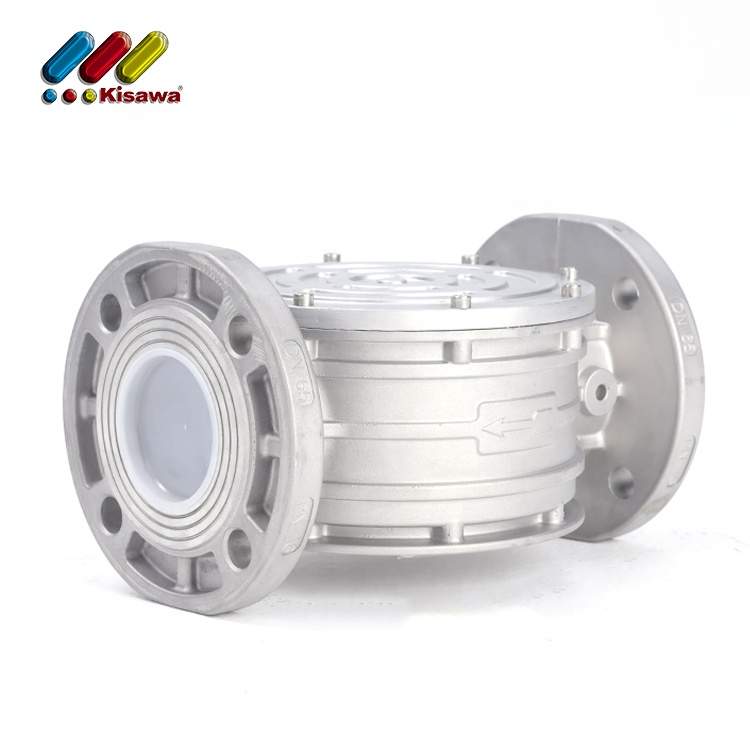
Typical industrial options (real examples)DN50 compact gas train filterCompact DN50 filter suitable for smaller gas trains and burner systems.
Practical selection workflow (engineer approach)
-
Define gas & cleanliness requirement
-
Calculate max flow (Nm³/h)
-
Select DN size (velocity < 20 m/s recommended)
-
Choose filtration grade (µm)
-
Check pressure drop curve
-
Verify pressure rating & standards
-
Add ΔP monitoring for maintenance
⚠️ Common mistakes to avoid
-
❌ Choosing too fine filtration → excessive pressure loss
-
❌ Ignoring maintenance access
-
❌ Undersizing DN → burner instability
-
❌ No differential pressure monitoring
-
❌ Non-certified equipment (critical in EU)
👍 Simple rule of thumb
For most industrial gas trains:
👉 DN size = same as pipeline
👉 50 µm filtration
👉 PN6–PN16 rating
👉 With ΔP ports + replaceable cartridgePhone: +86 185 6630 3837
WhatsApp: +86 185 66303837
Email: ekelairn@gmail.com
Web.: http://ekgas.com
Leave a comment
