

How to select an industrial gas filter for a gas train
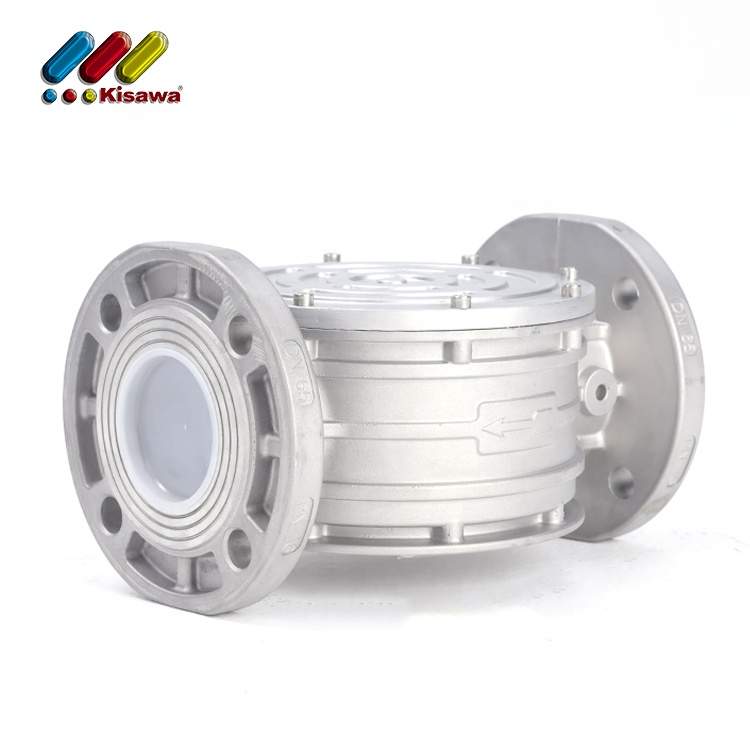
Selecting an industrial gas filter for a gas train is critical because it protects downstream components (regulators, valves, burners) from dust, rust, and condensates. A wrong choice can cause pressure instability, valve failure, or poor combustion.
Here’s a practical engineering guide used in industry 👇
1. Define the process requirements first
Start with your gas train data:
- Gas type: Natural gas, LPG, biogas, etc.
- Flow rate (Q): m³/h or Nm³/h
- Inlet pressure and operating pressure range
- Temperature and environment
- Contaminants: dust, oil mist, condensate, sulfur, etc.
👉 Filter selection must match gas composition and impurities.
2. Select filtration accuracy (micron rating)
This is one of the most important parameters:
- 50–100 µm → coarse protection (basic pipelines)
- 10–25 µm → standard for industrial gas trains (recommended)
- ≤5 µm → fine filtration (sensitive burners, control valves)
👉 Typical industrial gas systems use 10–25 µm to protect valves and regulators.
⚠️ Too fine → clogging + high pressure drop
⚠️ Too coarse → poor protection
3. Check flow capacity & sizing
The filter must handle maximum gas flow without excessive pressure loss:
- Filter capacity ≥ system flow
- Size (DN) usually same as pipeline diameter
👉 Key rule for gas trains:
- Pressure drop at max flow ≤ 10 mbar
4. Control pressure drop (ΔP)
Pressure loss directly affects burner performance.
- Clean filter: low ΔP
- Replacement point: when ΔP increases significantly
- Typical limit:
- Clean condition ≤ 50% of allowable ΔP
👉 Always choose filters with:
- Large filter area
- Optional differential pressure indicator
5. Verify pressure & temperature ratings
The filter must safely handle system conditions:
- Max pressure rating > system peak pressure
- Typical industrial filters:
- Up to 6 bar or higher
- Temperature range:
- Often –20°C to +60°C
6. Choose material & construction
Material must resist gas and environment:
Housing:
- Aluminum → standard, cost-effective
- Carbon steel → stronger
- Stainless steel → corrosive gases (biogas, H₂S)
Seals:
- NBR → common
- FKM (Viton) → better chemical resistance
7. Select filter type (based on contaminants)
| Contaminant | Recommended filter |
|---|---|
| Dust / rust | Mesh or cartridge filter |
| Fine particles | Depth or fiber filter |
| Oil / aerosols | Coalescing filter |
| Odor / VOC | Activated carbon filter |
👉 Different filter technologies (metal, carbon, ceramic) suit different applications.
8. Check standards & certification (very important)
For Europe and industrial gas trains:
- EN 16898 → gas filter safety standard
- EN 13611 → control devices for gas systems
- PED (Pressure Equipment Directive)
- GAR (EU Gas Appliance Regulation)
👉 Always select certified equipment for safety and compliance.
9. Installation considerations
- Install upstream of regulators and valves
- Ensure:
- Easy maintenance access
- Drain/vent capability
- Proper orientation (horizontal/vertical)
10. Maintenance & lifecycle
- Replace element when:
- ΔP exceeds limit
- Scheduled interval (3–12 months typical)
- Use DP gauge for condition monitoring
✔️ Typical selection example (industrial gas train)
- Gas: Natural gas
- Flow: 500 Nm³/h
- Pressure: 2 bar
Recommended:
- DN50 filter
- 10–25 µm element
- ΔP ≤ 10 mbar at max flow
- Aluminum or steel body
- With DP indicator + test ports
✅ Quick selection checklist
✔ Correct micron rating (10–25 µm typical)
✔ Flow capacity ≥ max demand
✔ Low pressure drop (<10 mbar)
✔ Pressure/temperature compatible
✔ Suitable materials (gas + environment)
✔ Certified (EN 16898 / PED / GAR)
✔ Easy maintenance
Phone: 86 185 6630 3837
WhatsApp: 86 185 66303837
Email: ekelairn@gmail.com
Web.: http://ekgas.com
Leave a comment
