

How to select an industrial gas filter for a gas train
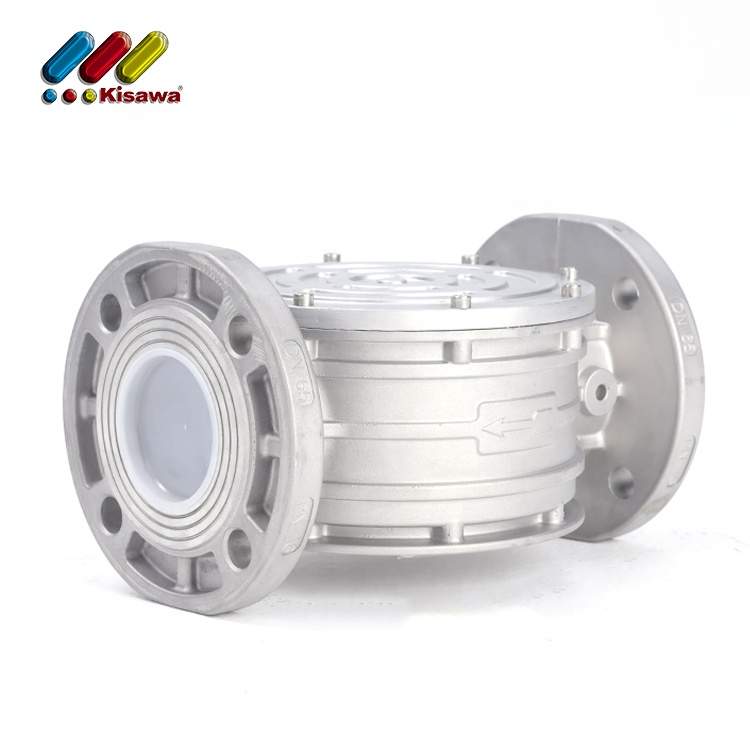
Selecting an industrial gas filter for a gas train is not just about “adding a filter”—it’s about matching the filter to your process conditions, gas quality, and safety requirements. In gas trains (for burners or thermal systems), the filter is typically installed upstream of regulators and valves to protect downstream components from contamination .
Here’s a practical, engineering-oriented selection guide:
1. Start with your gas & contamination profile
This is the most critical step.
Key questions:
- What gas? (natural gas, LPG, biogas, hydrogen…)
- What contaminants?
- Solid particles (rust, scale, dust)
- Liquids (condensate, oil mist)
- Vapors or chemicals
👉 Why it matters:
Different contaminants require different filter types:
- Particulate filters → dust, rust
- Coalescing filters → oil, moisture
- Multi-stage systems → mixed contamination
2. Define operating conditions (core sizing factors)
These parameters determine filter size, material, and structure:
(1) Flow rate (Nm³/h)
- Must match or exceed system demand
- Too high → low efficiency, high pressure drop
- Directly determines filter housing size
(2) Pressure (inlet & max)
- Filter rating must be higher than max system pressure
- Gas trains can range from low to high pressure depending on burner size
(3) Temperature
- Affects:
- Filter media life
- Gas phase (liquid ↔ vapor)
- High-temp → metal/sintered filters
- Low-temp → avoid brittle materials
(4) Pressure drop (ΔP)
- Typical design rule:
- Clean filter ΔP should be < 50% of max allowable
- Excess ΔP → poor burner performance and unstable combustion
3. Choose filtration accuracy (micron rating)
Typical industrial gas train ranges:
| Application | Recommended filtration |
|---|---|
| Standard burners | 20–50 μm |
| Sensitive valves/regulators | 10–25 μm |
| Fine protection (instrument gas) | <10 μm |
- Finer filtration = better protection
- BUT increases clogging risk and pressure drop
👉 Balance efficiency vs. maintenance frequency
4. Select filter type & structure
Common choices:
1. Mesh / cartridge filters
- Simple, robust
- Used in most gas trains
- Good for solid particles
2. Coalescing filters
- Remove:
- Oil mist
- Condensate
- Essential for LPG / compressed gas systems
3. Gas-liquid separators
- Multi-stage (baffle + demister + element)
- For “dirty” gas streams
👉 In industrial gas trains, a cartridge + separator combination is often best.
5. Material compatibility (very important)
Filter housing & seals must match gas chemistry:
Common materials:
- Carbon steel → standard natural gas
- Stainless steel (304/316) → corrosive / humid gas
- Seals:
- FKM (Viton) → hydrocarbons
- PTFE → aggressive chemicals
👉 Wrong material = swelling, corrosion, leakage
6. Connection & installation requirements
- Match pipeline diameter (DN size) exactly
- Avoid adapters (leak risk)
- Check:
- Orientation (horizontal/vertical)
- Space for maintenance
- Drain port (for liquids)
👉 Filter is usually installed:
after shut-off valve, before regulator in gas train layout
7. Standards & safety compliance
For Europe (your region):
- EN 746-2 (combustion systems)
- EN 15202 (gas filters)
- PED (Pressure Equipment Directive)
- ATEX (if explosive zone)
👉 Certification ensures:
- Pressure safety
- Explosion resistance
- Compliance with burner systems
8. Maintenance & lifecycle considerations
- Check:
- Replaceable element vs. cleanable
- Differential pressure indicator
- Typical risks of poor selection:
- Regulator failure
- Valve leakage
- Flame instability
- Unplanned shutdowns
Gas filters are critical because contaminants can damage valves and burners and reduce system reliability
9. Quick selection checklist (practical)
Use this before choosing:
- ✅ Gas type & contaminants identified
- ✅ Flow rate (Nm³/h) calculated
- ✅ Pressure & temperature confirmed
- ✅ Filtration accuracy selected (μm)
- ✅ Material compatible with gas
- ✅ Pressure drop acceptable
- ✅ Meets EN / ATEX standards
- ✅ Fits pipeline (DN size)
10. Typical recommendation for gas train (industrial burner)
For most standard natural gas burner systems:
- Filter type: Cartridge gas filter
- Micron: 20–50 μm
- Material: Carbon steel or stainless steel
- Features:
- Drain plug
- Differential pressure gauge
- Replaceable element
- Phone: +86 185 6630 3837
WhatsApp: +86 185 66303837
Email: ekelairn@gmail.com
Web.: http://ekgas.com
Leave a comment
