
How to select an industrial gas mixer for a gas train
Selecting an industrial gas mixer for a gas train is not about picking a model—it’s about matching the mixer type, control method, and capacity to your combustion system. Here’s a practical, engineering-focused guide.
1. Define your application first (critical)
Start with the process requirements—this determines everything:
Key questions
-
Fuel type: Natural gas, LPG, biogas, hydrogen blend?
-
Mixing purpose:
-
Air–fuel (burner / furnace)
-
Gas–gas blending (SNG, calibration gas, etc.)
-
-
Control mode:
-
Fixed ratio (simple burner)
-
Variable ratio (modulating burner / load changes)
-
-
Load range:
-
Minimum / maximum flow (Nm³/h)
-
Turndown ratio (important for combustion stability)
-
👉 Gas mixers must maintain correct air–fuel ratio across all loads to ensure proper combustion and avoid misfire or inefficiency
2. Choose the right mixer type
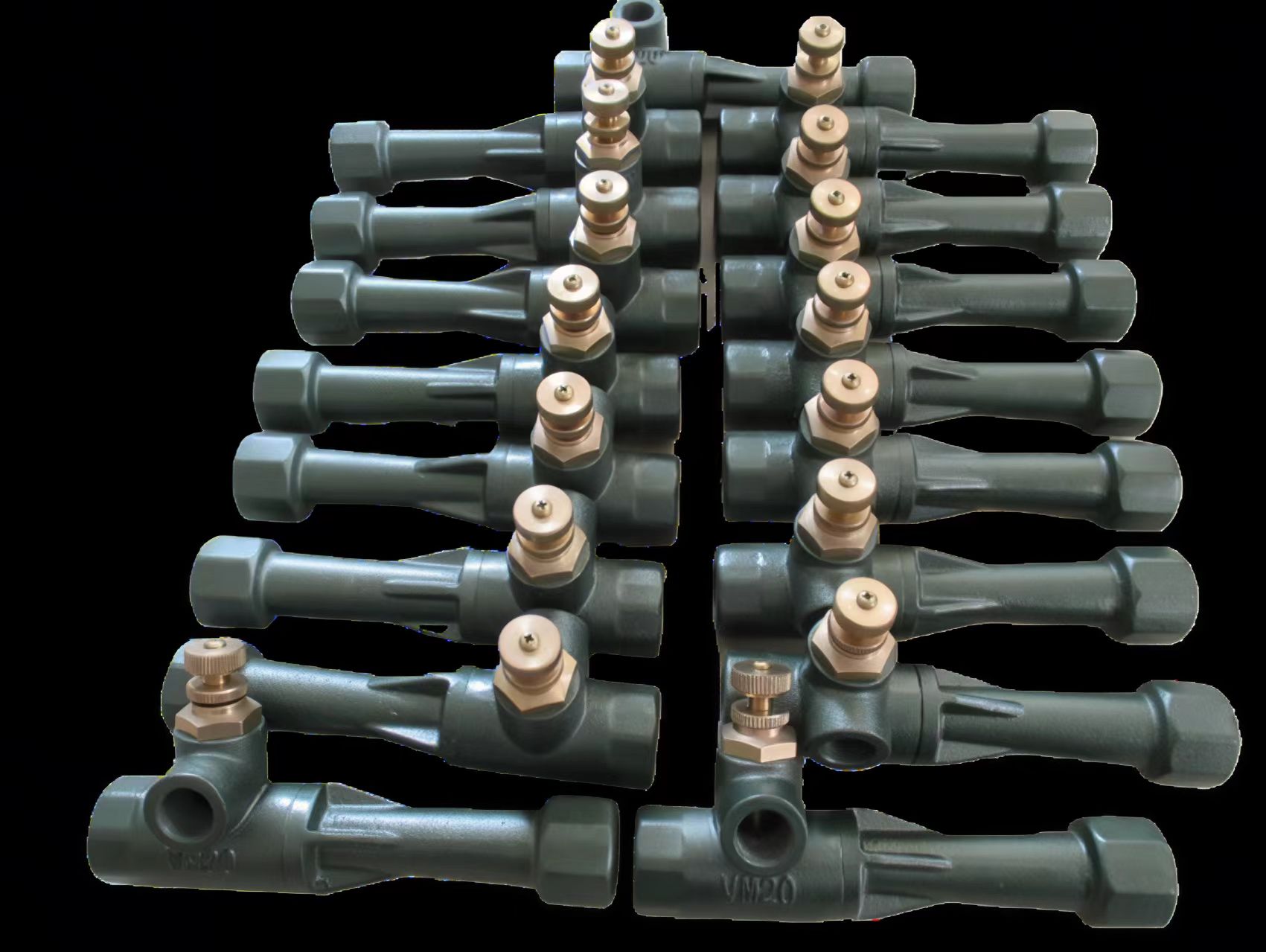
(A) Venturi mixer (most common in gas trains)
Best for: burners, boilers, furnaces
How it works:
-
Uses pressure drop (Venturi effect) to draw in air and mix with gas
Advantages:
-
Simple, no external power
-
Low maintenance
-
Fast response
Limitations:
-
Limited accuracy for precise ratio control
-
Sensitive to pressure fluctuations
👉 Use when:
-
You have a zero governor regulator
-
Stable inlet pressure
-
Standard combustion (not high-precision)
(B) Mechanical proportional mixer
Best for: stable industrial processes
-
Uses proportional valves to control gas ratios
-
Requires balanced inlet pressures
Advantages:
-
Reliable, rugged
-
Good for continuous operation
Limitations:
-
Manual adjustment
-
Less flexible for dynamic systems
(C) Electronic / MFC (mass flow controller) mixer
Best for: high-end or variable systems
-
Controls each gas flow independently with sensors/software
Advantages:
-
Very high accuracy (±1% or better)
-
Handles multiple gases
-
Automatic compensation (pressure/temp)
Limitations:
-
Higher cost
-
Needs power and control system
3. Key selection parameters (engineering checklist)
1) Flow capacity
-
Match max flow rate of burner
-
Typical industrial mixers range:
-
Small: <50 Nm³/h
-
Medium: 50–500 Nm³/h
-
Large: >500 Nm³/h
-
👉 Always size at 110–130% of max demand
2) Mixing ratio & accuracy
-
Combustion systems typically require:
-
±2–5% (standard burners)
-
±1% or better (precision systems)
-
👉 For fluctuating loads → choose dynamic or electronic mixer
3) Pressure conditions
-
Check:
-
Inlet gas pressure
-
Air pressure
-
Pressure drop across mixer
-
👉 Good mixers:
-
Maintain low pressure loss
-
Provide stable suction effect (Venturi)
4) Gas compatibility
Ensure compatibility with:
-
Natural gas / LPG / biogas / hydrogen blends
-
Corrosive or toxic gases (if applicable)
👉 Many mixers support wide gas ranges, but materials must match
5) Control & integration
For gas train integration, check:
-
Compatibility with:
-
Ratio regulator / zero governor
-
Control valves
-
PLC / burner control system
-
-
Optional:
-
Gas analyzer
-
Pressure sensors
-
Feedback loop
-
6) Safety requirements
Critical for gas trains:
-
Explosion-proof (ATEX if needed)
-
Backfire protection
-
Stable ratio to avoid:
-
Flashback
-
CO formation
-
Incomplete combustion
-
7) Response to load changes
-
Fixed load → Venturi OK
-
Variable load → use:
-
Proportional mixer
-
Electronic mixer
-
👉 Industrial systems often require stable mixing under fluctuating demand
4. Typical selection logic (simple decision path)
Step 1: Is your burner modulating?
-
NO → Venturi mixer
-
YES → go next
-
Phone: +86 185 6630 3837
WhatsApp: +86 185 66303837
Email: ekelairn@gmail.com
Web.: http://ekgas.com
Leave a comment
