



How to use a gas filter
Ekgas. Using a gas filter correctly is essential to protect downstream equipment such as gas regulators, solenoid valves, and burners, and to ensure stable and safe combustion. Here’s a clear, practical guide.
1. Understand the Purpose of a Gas Filter
A gas filter removes:
-
Dust and rust particles from pipelines
-
Welding slag and scale
-
Oil or solid impurities in gas
This prevents:
-
Regulator diaphragm damage
-
Solenoid valve sticking
-
Burner nozzle blockage and unstable flames
2. Correct Installation Steps
✅ Installation Position
-
Install the gas filter upstream of:
-
Gas pressure regulators
-
Flow meters
-
-
Typical order in a gas train:
Gas source → Gas filter → Regulator → Safety valves → Burner
Flow Direction
-
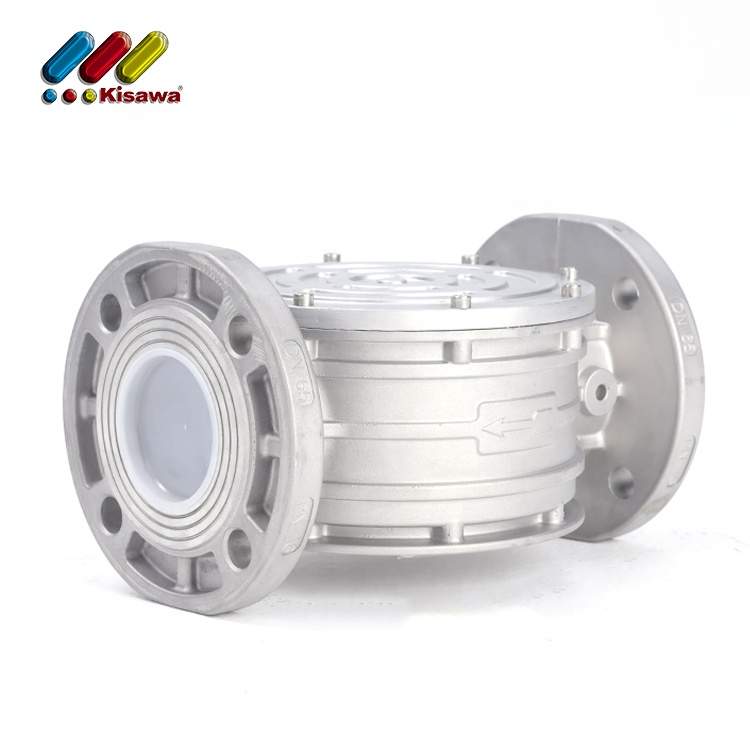
Always follow the arrow on the filter body
-
Wrong direction will reduce filtration efficiency or damage the filter element
Orientation
-
Install with the filter cup facing downward
-
This allows particles to collect and makes cleaning easier
Pipe Preparation
-
Blow out or clean the pipeline before installation
-
Avoid letting welding slag or debris enter the filter during mounting
3. Commissioning Before Use
Before putting the system into operation:
-
Slowly open the gas supply valve
-
Check all connections for gas leakage (use soap solution or gas detector)
-
Ensure inlet and outlet pressures are within the filter’s rated limits
4. Daily Operation Tips
-
Monitor pressure drop across the filter
-
If downstream pressure decreases noticeably, the filter may be clogged
-
Keep the filter dry and protected from mechanical impact
5. Cleaning and Maintenance
Cleaning Frequency
-
New systems: inspect after the first 1–2 weeks
-
Normal operation: clean every 3–6 months
-
Dirty gas conditions: clean more frequently
🛠 Cleaning Steps
-
Shut off the gas supply completely
-
Release residual pressure
-
Remove the filter cover or cup
-
Take out the filter screen
-
Clean with compressed air or a soft brush
-
Reinstall and ensure seals are intact
Replace the filter element if it is damaged or heavily corroded.
6. Common Mistakes to Avoid
❌ Installing the filter backward
❌ Skipping regular cleaning
❌ Using a filter with incorrect pressure or flow rating
❌ Installing too close to high-temperature equipment
Phone: 86 185 6630 3837
WhatsApp: 86 185 66303837
Email: ekelairn@gmail.com
Web: http://www.ekgas.com
Latest Posts

July 28, 2025
Do you know electric actuator?

April 13, 2026
How to keep an industrial gasl regulator works well

April 11, 2026
How to keep an industrial gas filter works well

April 10, 2026
How to select a good gas burner for a gas train
April 9, 2026
How to select a good gas fitler for a gas train

April 8, 2026

Leave a comment