



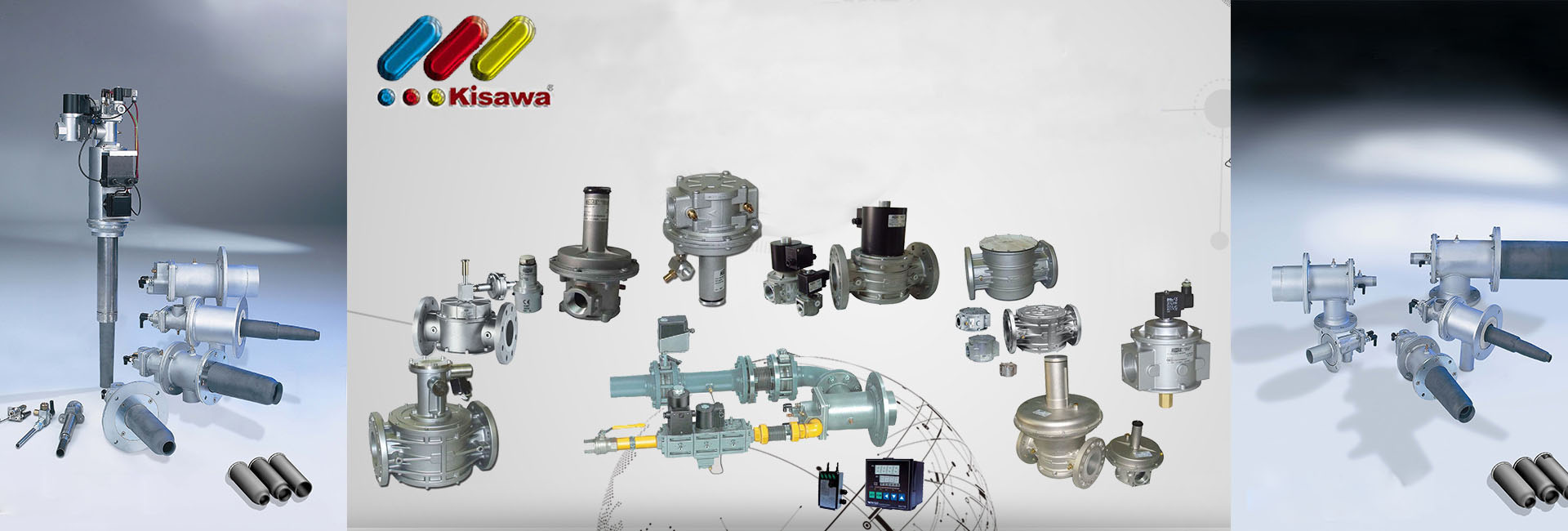
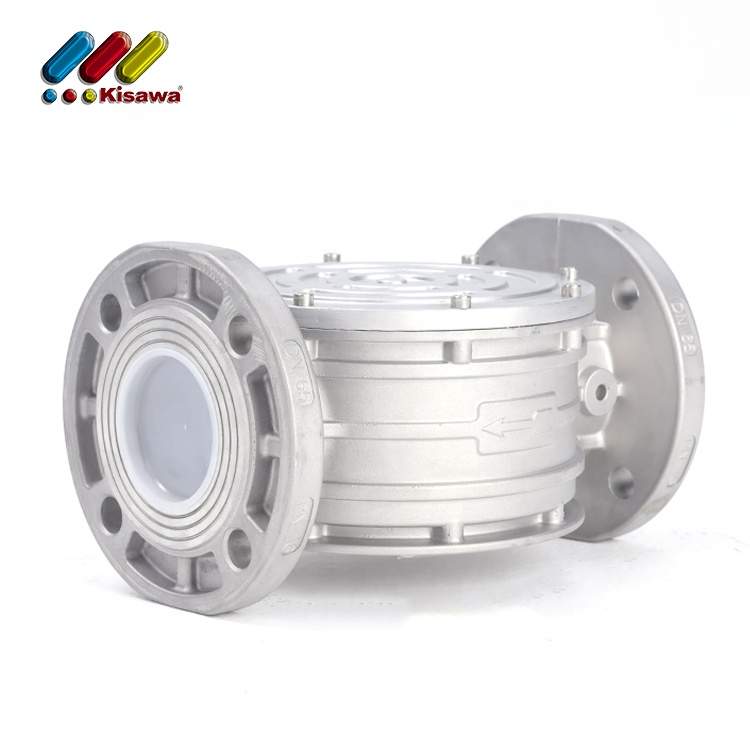
How to choose a Ekgas gas filter depends a lot on what you need the filter for — e.g. filtering air in a room, filtering exhaust gas, or using a respirator / gas mask. Here’s a structured guide to help you choose appropriately
Key questions before selecting a gas filter 
-
What kind of “gas” or contaminant are you filtering
-
Are you removing ordinary indoor air pollutants (odors, VOCs, formaldehyde)?
-
Or are you protecting against hazardous chemicals, vapours, or industrial gases?
-
Or preventing dust/particles rather than gases?
-
-
What kind of filtration: gas/vapour vs particles vs both
-
What specific chemicals or gases need filtering–Ekgas
-
Filters are typically coded for the types of substances they stop. For example: organic solvents, acid gases, ammonia, acids,
-
A filter that works for one group (e.g. organic vapours) may not work for another (e.g. ammonia or acid gases).
-
-
Filter capacity / classification (how “strong” or long-lasting)
-
Many gas filters are classified as Class 1, 2 or 3, indicating their capacity and how much gas they can absorb. e.g. Class 1 for lower capacity; Class 2 for medium; Class 3 for high or prolonged exposure.
-
For example, a filter marked “A2” lasts longer and handles more contaminants than “A1”.
-
-
Compatibility with your mask or filtration system (if using a respirator/gas mask)
-
Filters need to match the connector type (thread / bayonet / standard) of your mask.
-
Also ensure certifications / standards compliance (e.g. according to relevant regional standards) if intended for safety use.
-
-
Operating conditions & maintenance needs — for industrial or ventilation-type filters:
-
Consider temperature, chemical resistance, flow rate, and whether the filter material is compatible with the gas.
-
Regular inspections — most filters lose efficiency over time and may need replacement or cleaning (depending on type).
-
Example gas filters and what they are good for
If you are looking at respirator / mask-type filters, here are a few examples with different protection levels:
-
Dräger Kombifilter 1140 A2B2E2K2 Hg P3 R D — High-capacity multi-gas/vapour + particle filter. Good if you expect a mix of organic solvents, acid gases, mercury vapours or other hazardous gases and particles. Useful for heavy industrial, chemical work or uncertain environments.
-
MIRA Safety NBC-77 SOF Gas Mask Filter — Military-grade / NBC-class filter, suitable for handling toxic industrial gases, chemical threats, and combined threats. Often used where maximum chemical protection is needed.
-
Gas Mask Filter Gas Box Filter Gas Vapor 6001c — More standard gas/vapour filter, aimed at common organic vapours or solvents. Useful for jobs with solvents, paints, or similar exposure.
-
FIDRacing Air filter for gas mask — Basic breathing-mask filter, may suit lighter tasks or non-toxic vapour removal (less demanding environment).
-
Gas mask filter empty — An empty filter body (no active media) — sometimes used for demonstration, training, or customization (not for actual protection).
-
Sparex S.24874 Respirator Filters P3 R — Particle (P3) filter — useful if you need to filter dust, smoke, mist, or airborne particles, but not gases. Use when particles are the hazard, not vapours.
-
Custom filter for gas mask FGP-130D “Chornobyl NPP” — Specialized / custom filter (often higher price) — possibly for unique or niche applications where off-the-shelf filters don’t suffice.
-
TIKI filter – P3 protective filter for breathing masks — High-efficiency particle filter (P3). Good when you need strong protection against fine dust, smoke, aerosols, but not necessarily gases.
Common mistakes / what to watch out for
-
Using a particle filter when you need gas/vapour protection — or vice versa. They protect very different threats; one does not substitute the other. Gas filter
-
Picking a filter without checking which chemicals it covers. A filter good for organic solvents might do nothing against acid gases.
-
Ignoring capacity or exposure time. A “class 1” filter might be fine for short-term light exposure, but insufficient for prolonged or heavy-duty use. Gas filter
-
Mismatched connectors. A filter must physically and securely fit your mask or system — wrong threads or standard = wasted filter.
-
Assuming all filters are reusable or safe indefinitely. Many lose efficiency over time, get saturated, or have limited usage life.
My recommendation for you (if you tell me more about your use)
If you tell me what you need the gas filter for (e.g. home air cleaning, industrial chemicals, painting/solvent work, or protective mask use), I can help choose 2 – 3 specific filters that match your needs — and show which ones to avoid.
If you want, I can already filter among available filters to recommend the safest and most versatile ones for general chemical/vapour + particle protection.
Do you want me to build such a recommendation set for you now?



Leave a comment