


How does an industrial ignition controller work?
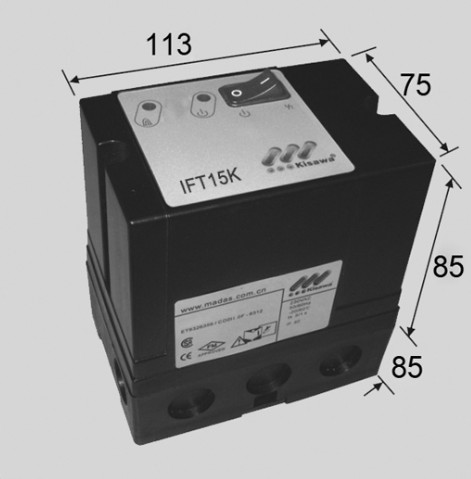
Ekgas. An industrial ignition controller is a robust electronic device managing spark timing, energy, and safety for large burners, furnaces, gas engines, and heaters, ensuring reliable combustion.
Efficiency, and meeting emissions standards by monitoring sensors.
Adjusting high-voltage output, and providing diagnostic feedback for processes like power plants, food prep, or agriculture.
They replace older systems, offer digital interfaces for configuration, and handle complex sequences (pre-purge, ignition, post-purge) for fuel-fired equipment.
Key Functions:
Timing Control: Precisely controls spark timing for optimal engine performance or fuel burn.
Energy Management: Delivers sufficient high-voltage energy for reliable ignition, even with poor fuel quality.
Safety Interlocks: Manages pre-purge, trial for ignition, and post-purge cycles to prevent gas buildup.
Diagnostics: Offers real-time monitoring (voltage, misfires) and fault codes via LEDs or software interfaces .
Automation: Integrates with PLCs/DCSs, allowing remote monitoring and control.
Ignition Timing: Precisely controls when the spark occurs for optimal power.
Spark Energy Control: Adjusts spark intensity for different fuel conditions (e.g., weak gas).
Safety Monitoring: Detects faults like misfires, short circuits, or component failures, preventing damage.
Sequencing: Manages pre-purge, ignition, and post-purge cycles in burner systems.
Diagnostics: Provides data (like secondary voltage, spark duration) via LEDs or software for troubleshooting.
Phone: 86 185 6630 3837
WhatsApp: 86 185 66303837
Email: ekelairn@gmail.com
Web: http://www.ekgas.com
Latest Posts

July 28, 2025
Do you know electric actuator?

April 13, 2026
How to keep an industrial gasl regulator works well

April 11, 2026
How to keep an industrial gas filter works well

April 10, 2026
How to select a good gas burner for a gas train
April 9, 2026
How to select a good gas fitler for a gas train

April 8, 2026

Leave a comment