


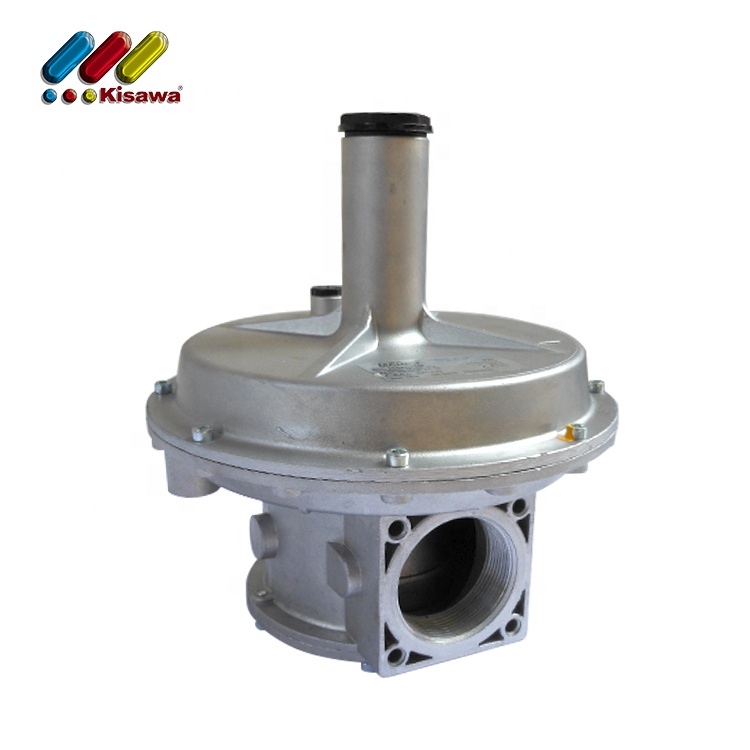
What does an industrial gas regulator do
Its job is to take gas coming in at high, unstable pressure and deliver it to your equipment at a safe, steady, usable pressure.
Here’s what that really means in practice:
What an industrial gas regulator does
-
Reduces pressure
-
Gas from cylinders or pipelines is often very high pressure.
-
The regulator steps this down to the exact pressure your burner, kiln, boiler, or furnace needs.
-
-
Keeps pressure stable
-
Even if inlet pressure fluctuates, the regulator keeps outlet pressure constant.
-
This prevents flame instability, blow-off, or incomplete combustion.
-
-
Protects equipment
-
Prevents over-pressure that could damage burners, valves, hoses, or instruments.
-
Helps extend the life of the entire combustion system.
-
-
Improves combustion efficiency
-
Stable gas pressure = stable flame.
-
That means better fuel efficiency, more uniform heating, and lower emissions.
-
-
Enhances safety
-
Many regulators include:
-
Over-pressure shutoff
-
Vent connections
-
-
These protect against dangerous pressure buildup.
-
Where industrial gas regulators are used
-
Industrial gas burners
-
Kilns and rotary kilns
-
Boilers and furnaces
-
Heat treatment ovens
-
Chemical and process plants
Typical gases they handle
-
Natural gas
-
LPG / propane / butane
-
Biogas
-
Hydrogen (with special designs)
Simple way to think about it
Supply pressure is “wild.”
Your equipment needs “calm.”
The regulator creates calm. 😄Phone: 86 185 6630 3837
WhatsApp: 86 185 66303837
Email: ekeilairn@gmail.com
www.http://ekgas.com
Leave a comment
