



What Is Combustion?
Ekgas here’s a clear and useful explanation of Combustion, suitable for general understanding or industrial context:
What Is Combustion?
Combustion is a chemical process in which a fuel reacts with oxygen to release heat, light, and various reaction products. It is one of the most common energy-producing processes in industrial, commercial, and everyday applications.
How Combustion Works (Simple Explanation)
-
Fuel + Oxygen → Heat + Products
-
The fuel may be:
-
Gas (natural gas, LPG, hydrogen)
-
Liquid (diesel, oil)
-
Solid (coal, biomass)
-
-
When the mixture is ignited and conditions are right, the reaction becomes self-sustaining.
Key Requirements for Combustion
Often called the Combustion Triangle:
-
Fuel
-
Oxygen (usually air)
-
Ignition source (spark, flame, heat)
Remove one of these three, and combustion stops.
Types of Combustion
1. Complete Combustion
-
Fuel burns with enough oxygen.
-
Produces CO₂ + H₂O.
-
High efficiency, clean flame.
2. Incomplete Combustion
-
Not enough oxygen.
-
Produces CO, soot, unburned hydrocarbons.
-
Wastes energy and increases pollution.
3. Industrial High-Temperature Combustion
-
Used in:
-
Industrial burners
-
Thermal energy equipment
Where Combustion Is Used
-
Industrial burners (metallurgy, ceramics, food processing)
-
Boilers and steam generation
-
Heating systems
-
Power plants
-
Engines and turbines
Important Combustion Control Elements
-
Burner design
-
Air-fuel ratio control
-
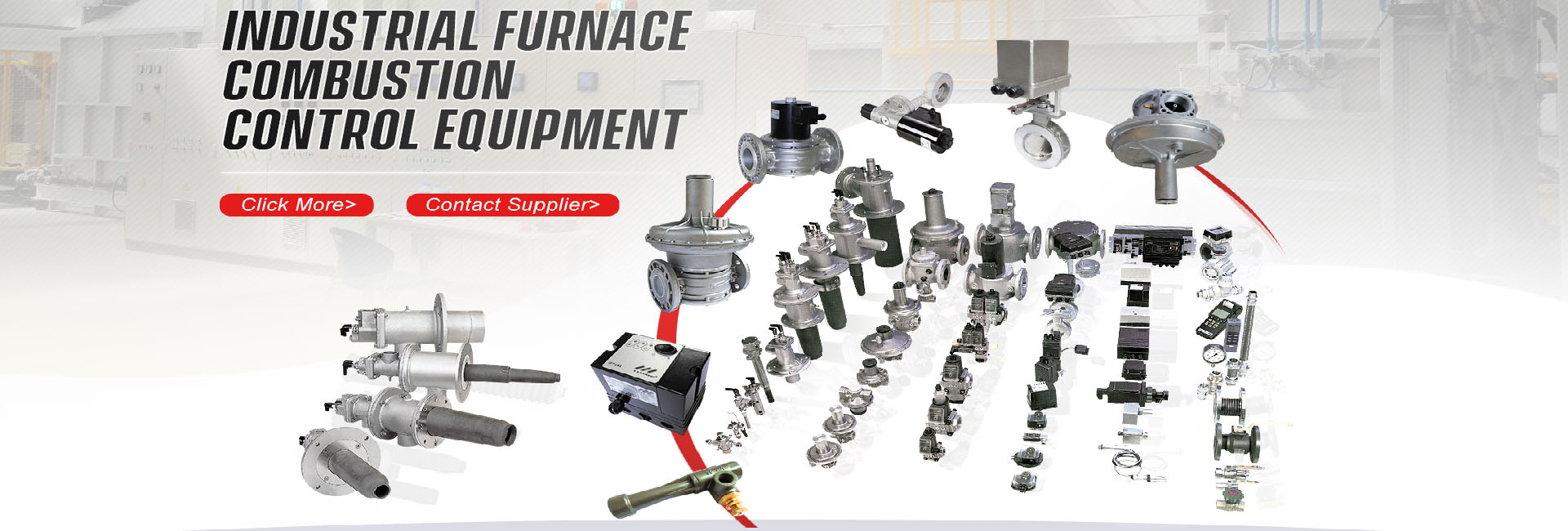
Safety systems (flame detectors, relief valves)
Proper control ensures:
✔ High efficiency
✔ Low emissions
✔ Safe operation
Phone: 86 185 6630 3837
WhatsApp: 86 185 66303837
Email: ekelairn@gmail.com
Web: http://www.ekgas.com
Latest Posts

July 28, 2025

Leave a comment