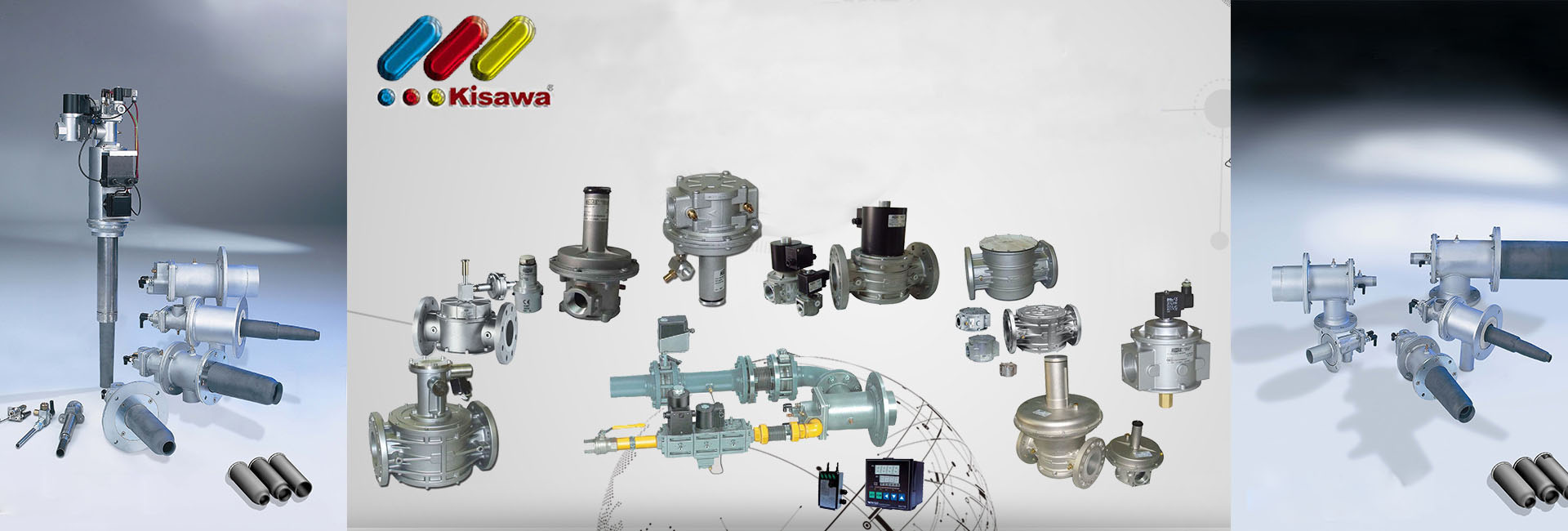
Focus on combustion system engineering. Design & commitioning services.Supply Gas burner for furnace, gas furnace burner, burner controller, gas solenoid valve, gas mixer, gas regulator, oil furnace burner, silicon carbide tube etc.
✔ Install a gas filter/strainer upstream (80–100 mesh is common) ✔ Clean or replace the filterregularly ✔ Make sure no rust, dust, oil, or pipe sealant enters the valve
👉 If the valve sticks or leaks, contamination is usually the reason.
2. Correct Installation Matters
Bad installation shortens valve life fast.
✔ Install in the correct flow direction (follow the arrow) ✔ Mount the coil upright (vertical) when possible ✔ Avoid mechanical stress on the valve body ✔ Use proper thread sealant (not excessive tape)
⚠️ Never use the solenoid valve to support pipe weight.
3. Match Voltage & Electrical Quality
Electrical problems burn coils.
✔ Use the exact rated voltage (AC/DC matters!) ✔ Check voltage stability (±10% max) ✔ Tighten terminals firmly (loose wiring = overheating) ✔ Ensure good grounding
🔥 A hot coil is a warning sign—don’t ignore it.
4. Protect the Coil
The valve body is tough; the coil is sensitive.
✔ Keep coil dry (use IP65/IP67 coil if humid area) ✔ Protect from water, oil spray, and dust ✔ Ensure ventilation—don’t bury it in insulation
If the coil smells burnt or discolors → replace immediately.
5. Operate Within Pressure & Temperature Limits
Every solenoid valve has limits.
✔ Do NOT exceed:
Maximum gas pressure
Minimum pressure (some valves need differential pressure)
Ambient & gas temperature range
Overpressure = seal damage Overtemperature = coil failure
6. Regular Inspection & Testing
A little checking prevents big shutdowns.
Weekly / Monthly checks:
✔ Listen for clean “click” when energized ✔ Check for gas leakage at joints ✔ Monitor response time (slow opening = trouble) ✔ Check coil temperature by touch (warm OK, hot NO)
7. Periodic Cleaning (Planned Maintenance)
For critical systems:
✔ Shut off gas & power ✔ Remove valve and clean internal parts ✔ Inspect seals and plunger ✔ Replace worn seals instead of waiting for failure
📅 Typical interval: every 6–12 months (depends on gas quality)
8. Use the Right Valve for the Job
Wrong selection = short life.
✔ Gas type (natural gas, LPG, biogas, etc.) ✔ Normally closed vs normally open ✔ Fast-acting vs slow opening ✔ Safety-certified valve (EN161, UL, etc.)








Leave a comment