How to select a good gas fitler for a gas train
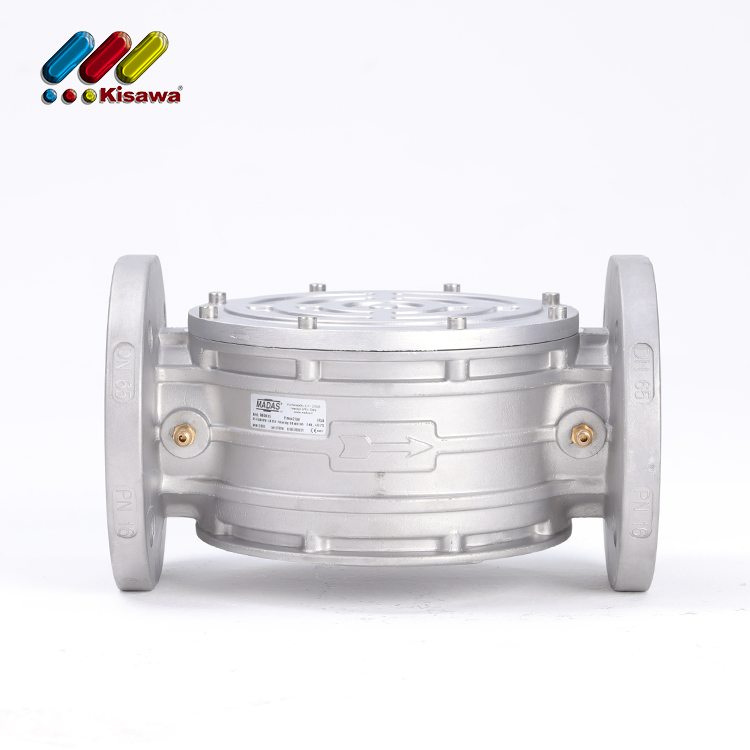
Selecting a good gas filter for a gas train is critical because it protects downstream components (regulators, valves, burners) from dust, rust, oil, and moisture that can cause failure or unsafe combustion .
Here’s a practical engineering guide you can use.
1. Start with the application (most important)
Before choosing any model, define your gas train conditions:
-
Gas type: natural gas, LPG, biogas, hydrogen, etc.
-
Contaminants: dust, pipe scale, oil mist, condensate
-
System role: fuel gas conditioning vs high-purity process gas
👉 Different contaminants require different filter types (particulate vs coalescing).
2. Key selection parameters
(1) Filtration accuracy (micron rating)
-
Typical gas train (fuel gas): 10–50 μm
-
Fine protection (critical burners/valves): 5–10 μm
-
Too fine (<5 μm) → risk of clogging & pressure drop
✔ Rule: balance protection vs pressure loss
(2) Flow rate (capacity sizing)
-
Must match maximum gas flow (Nm³/h or m³/h)
-
Undersized filter → high pressure drop, unstable burner
✔ Flow directly determines filter size and element area
(3) Pressure rating
-
Filter max working pressure ≥ system pressure
-
Consider:
-
Inlet pressure (before regulator)
-
Surge/peak pressure
-
✔ Never underspec → safety risk
(4) Pressure drop (ΔP)
-
Typical clean condition: <10–20 mbar
-
High ΔP → affects gas/air ratio and combustion stability
✔ Choose low-resistance design for burners
(5) Temperature range
-
Check gas temperature (ambient or heated gas)
-
High temp → use metal/sintered filters
-
Low temp → avoid brittle materials
✔ Temperature affects material and filtration behavior
(6) Filter type (very important)
A. Particulate filter (most common in gas train)
-
Removes dust, rust, scale
-
Usually installed before regulator
B. Coalescing filter
-
Removes oil mist & liquid droplets
-
Needed for LPG, biogas, or compressor systems
C. Gas-liquid separator
-
For wet gas / condensate-heavy systems
✔ Choose based on contamination type
(7) Material compatibility
-
Housing: Aluminum / Carbon steel / Stainless steel
-
Seals: NBR, FKM (Viton), EPDM
✔ For corrosive or wet gas → prefer SS316
(8) Connection & size
-
Match pipeline:
-
DN size (DN25, DN50, etc.)
-
Thread (BSP/NPT) or flange
-
✔ Avoid adapters → leak risk
(9) Maintenance & serviceability
-
Replaceable cartridge
-
Differential pressure indicator (recommended)
-
Easy access (quick-open cover)
✔ Filter life depends on contamination level and flow
(10) Standards & certification (EU focus)
For gas train (Europe):
-
EN 746-2 (industrial furnaces)
-
EN 161 / EN 88 (gas components)
-
ATEX (if explosive environment)
✔ Always choose certified products for safety compliance
3. Typical configuration in a gas train
Standard position:
👉 Manual valve → Filter → Regulator → Valves → Burner
Why:
4. Practical selection example
For a typical industrial burner (natural gas):
-
Flow: 500 Nm³/h
-
Pressure: 2 bar
-
Application: furnace
Recommended:
-
Type: Particulate filter
-
Rating: 10–20 μm
-
Housing: Aluminum or steel
-
ΔP: <15 mbar
-
With: pressure taps / DP indicator
5. Common mistakes to avoid
-
❌ Choosing too fine filtration → clogging
-
❌ Ignoring pressure drop
-
❌ Using non-certified filter
-
❌ Mismatched thread/connection
-
❌ No maintenance plan
6. Simple selection checklist
Use this quick checklist:
-
Gas type ✔
-
Contaminant type ✔
-
Flow rate ✔
-
Pressure ✔
-
Temperature ✔
-
Filtration micron ✔
-
Material ✔
-
Certification ✔
- Phone: +86 185 6630 3837
WhatsApp: +86 185 66303837
Email: ekelairn@gmail.com
Web.: http://ekgas.com
Leave a comment