


How to Choose the Right Electric Actuator for an Industrial Combustion System?
Hello everyone, welcome to EKGAS Combustion Technology blog.
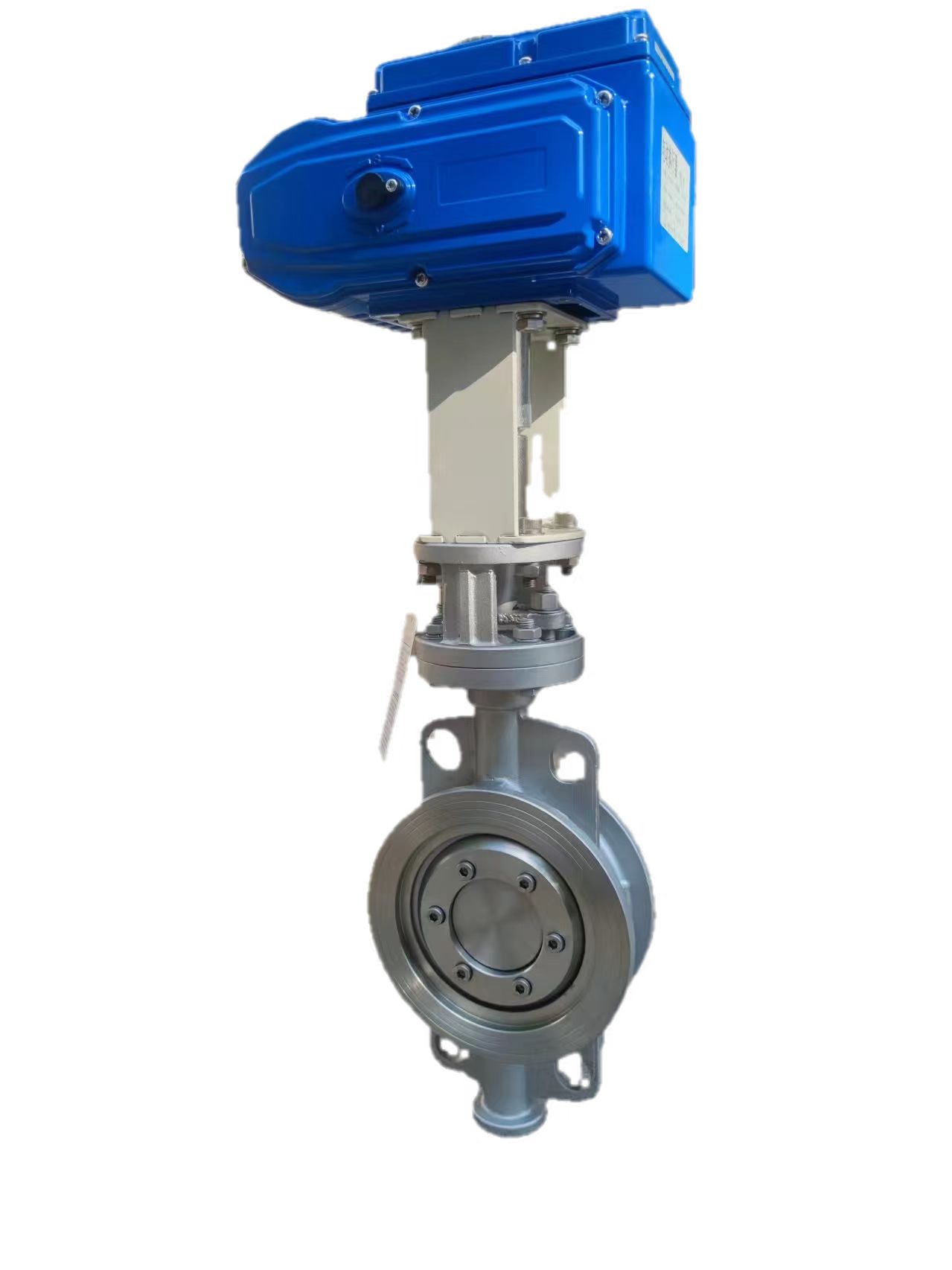
In an industrial combustion system, an electric actuator plays an important role in controlling gas valves, air valves, and combustion adjustment.
A properly selected actuator can improve combustion efficiency, reduce energy consumption, and ensure safer and more stable operation.
So, how do you choose the right electric actuator?
Today, we will share five important points.
Point 1: Check the Required Torque
The first step is to check the torque requirement.
Different valves require different actuator torque levels.
If the torque is too low, the valve may not open or close completely, affecting combustion performance.
If the torque is too high, it may increase cost and damage the valve.
Therefore, correct torque matching is the first key factor.
Point 2: Choose the Right Control Signal
Industrial combustion systems require accurate control.
The actuator should match the control system.
Common control options include:
- ON/OFF control
- Three-point control
- 4-20mA signal
- 0-10V proportional control
For combustion systems requiring precise gas and air ratio control, a proportional actuator is usually the better choice.
Point 3: Consider the Working Environment
Industrial environments can be challenging.
Before selecting an actuator, consider:
- Operating temperature
- Protection rating
- Dust and water resistance
- Vibration conditions
A reliable actuator should work continuously under demanding conditions.
Point 4: Check Response Speed and Accuracy
Combustion systems must respond quickly to load changes.
A high-quality electric actuator should provide:
- Accurate positioning
- Stable operation
- Fast response
This helps maintain the optimal air-fuel ratio and improves energy efficiency.
Point 5: Choose a Reliable Supplier
Product specifications are important, but technical support is equally important.
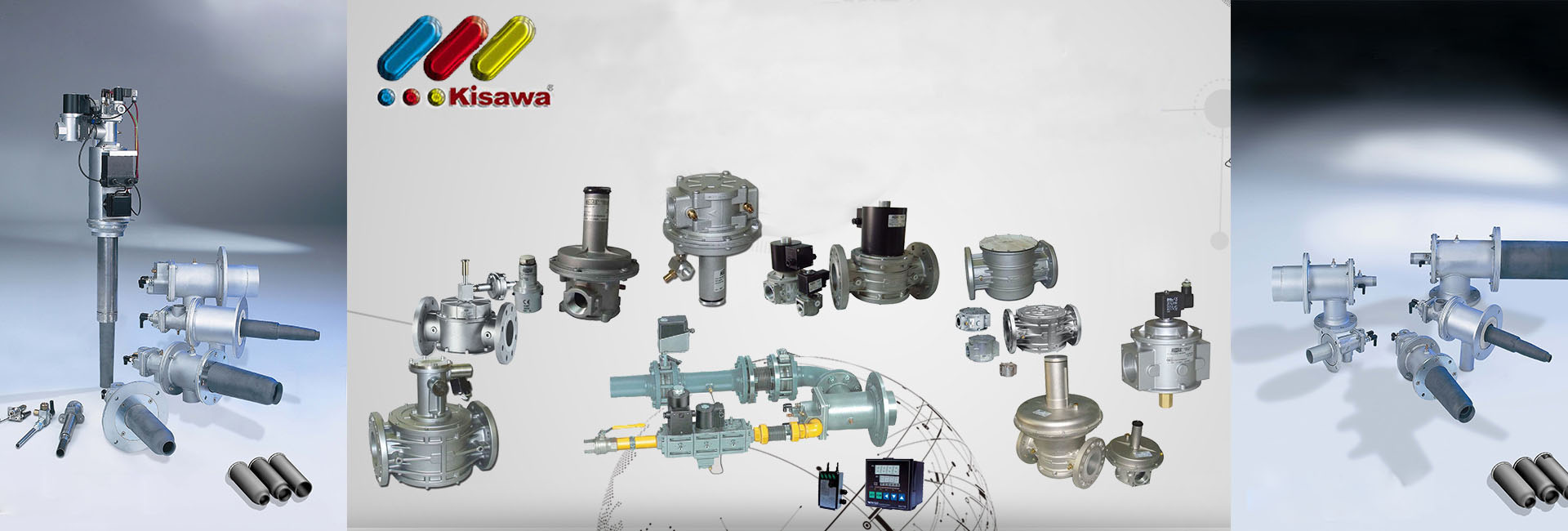
EKGAS provides industrial combustion solutions including:
- Burner systems
- Gas control equipment
- Valve actuators
- Energy-saving solutions
We provide not only products, but also professional technical support.
If you are looking for the right electric actuator for your combustion system, contact EKGAS today.
Follow EKGAS for more industrial combustion and energy-saving technologies.
See you in the next blog!
Phone
86-185-7653-8308
Whatsapp
86-185-76538308
Latest Posts

July 28, 2025

Leave a comment