




Do you know relief valve
Do you know relief valve?
Let Ekgas introduce to you
What a Relief Valve Does
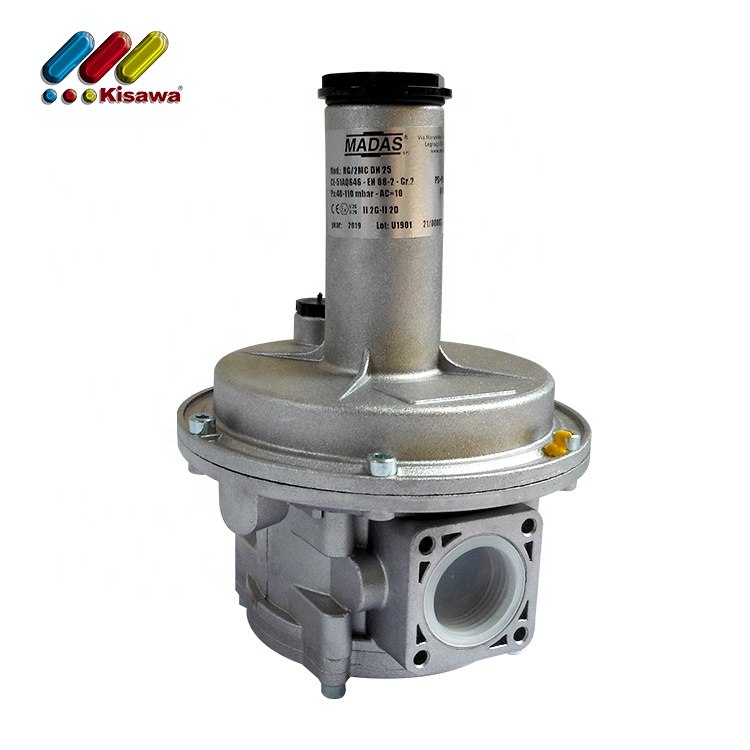
A relief valve automatically opens at a preset pressure to release excess fluid (gas or liquid), preventing damage or explosion. Once the pressure returns to a safe level, the valve closes again.
How It Works
- Normal condition: The valve remains closed under system pressure.
- Overpressure condition: When pressure rises above the set point, the spring or diaphragm inside the valve is overcome.
- Pressure relief: The valve opens, allowing the fluid to escape.
- Pressure restored: Once the pressure drops, the valve reseats and seals.
Main Components
- Inlet/Outlet ports – where the fluid enters and exits.
- Spring or diaphragm – provides the force to keep the valve closed until set pressure is reached.
- Adjusting screw – used to set the opening pressure.
- Seat and disc – sealing parts that open and close to control flow.
Applications
- Boilers and pressure vessels
- Compressors and pipelines
- Fuel gas systems
- Chemical and power plants
Types of Relief Valves
- Safety valve: for gas or steam; opens rapidly (“pop action”).
- Relief valve: for liquid; opens gradually as pressure rises.
- Pressure safety valve (PSV): general term for both.
- Pressure vacuum relief valve (PVRV): used in tanks to protect against both overpressure and vacuum.
Latest Posts

July 28, 2025
Do you know electric actuator?

April 17, 2026
How to select a gas proportional valve for a gas train

April 16, 2026
How to select a good gas actuator for a gas train

April 15, 2026
How to keep an industrial gas solenoid valve works well
April 14, 2026
How to select a good gas actuator for a gas trian

April 13, 2026

Leave a comment