


How to Choose a Ceramic Kiln Combustion System? Improve Firing Efficiency and Cut Gas Costs
A ceramic kiln is not just about reaching a high temperature.
What matters more is how stable the heat is, how fast the kiln reaches the target temperature, and how much gas it uses during production.
That is why the combustion system plays such an important role.
A well-matched ceramic kiln combustion system can help improve firing efficiency, reduce temperature differences, and control fuel use.
So, how should you choose one?

1. Start With Your Kiln and Production Needs
Every ceramic kiln is different.
A sanitaryware kiln does not have the same requirements as a tile kiln. The same is true for tableware and technical ceramics.
Before choosing a combustion system, check these basic points:
- Kiln type and size
- Required firing temperature
- Production capacity
- Fuel type
- Required heat input
- Temperature uniformity
- Heating and cooling requirements
These details provide the basis for choosing the right industrial gas burner.
2. Choose the Right Ceramic Kiln Burner
The burner is the heart of the combustion system.
However, a good burner is not simply one that produces a large flame.
For ceramic kilns, the flame should be:
- Stable
- Easy to control
- Suitable for the kiln space
- Well matched to the required heat load
For example, high-speed burners can create strong gas movement inside the kiln.
As a result, heat can spread more quickly through the kiln chamber.
This can help improve temperature uniformity and reduce hot and cold spots.
Of course, burner selection still needs to match the kiln design. Higher speed does not always mean better performance.
3. Air-Fuel Ratio Matters
Gas and air need to work together.
Too much gas with too little air can lead to incomplete combustion.
On the other hand, too much air can carry heat away from the kiln.
Therefore, stable air-fuel ratio control is very important.
A good combustion system should adjust gas and air as the kiln load changes.
This is especially important during low-load operation.
With better air-fuel control, the flame can remain more stable. At the same time, fuel waste can be reduced.
4. Keep Gas Pressure Stable
Even a good burner cannot work well with unstable gas pressure.
For this reason, the gas train should be designed as part of the complete combustion system.
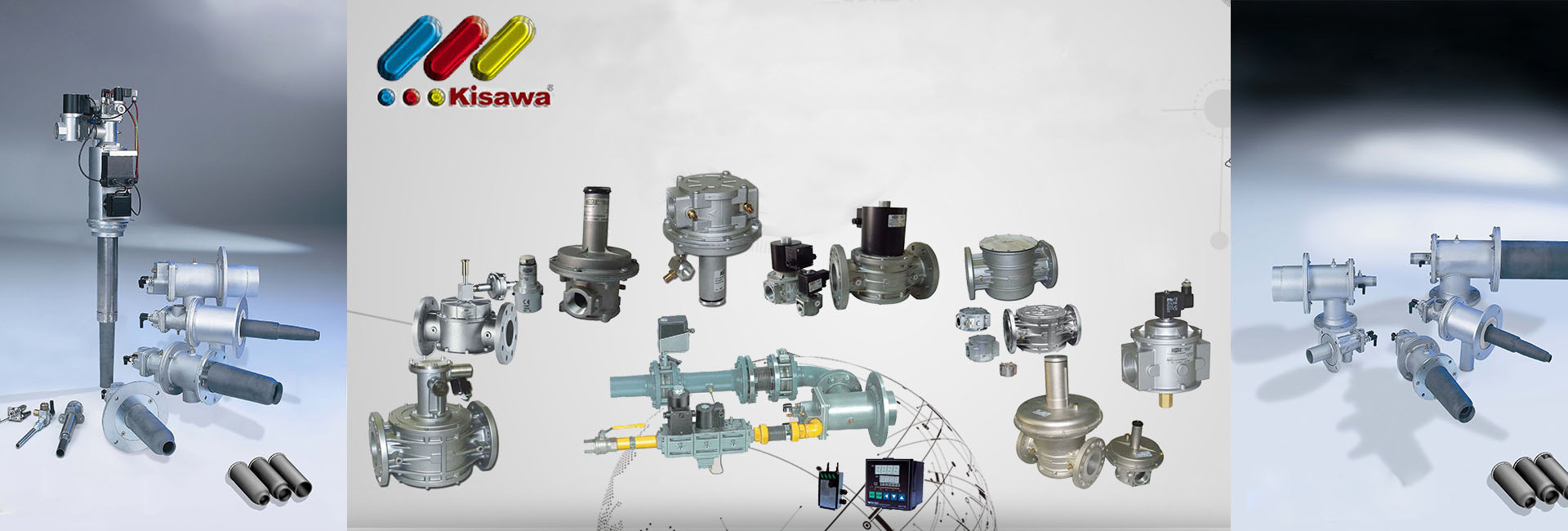
Depending on the application, it may include:
- Gas filter
- Gas pressure regulator
- Safety shut-off valve
- Solenoid valve
- Pressure switch
- Gas control valve
- Flow control equipment
Each part has a role.
The burner provides the flame. The gas train provides stable and safe fuel supply.
Both need to work together.
5. Temperature Uniformity Affects Product Quality
In ceramic production, temperature difference can cause real problems.
One area may be too hot while another is too cold.
This can lead to:
- Uneven color
- Under-firing
- Over-firing
- Deformation
- Inconsistent product quality
Therefore, the combustion system should be designed around the actual kiln airflow and heat distribution.
Burner position, flame direction, firing speed, and air supply all matter.
The goal is simple:
Deliver heat evenly where it is needed.
6. Automatic Control Makes Production Easier
Modern ceramic kilns often use automatic combustion control.
Temperature sensors, gas valves, air valves, actuators, and PLC systems can work together.
For example, when the kiln reaches the set temperature, the control system can reduce the burner load.
When the temperature drops, the system can increase the firing rate.
As a result, operators do not need to make constant manual adjustments.
More importantly, stable control can help keep the combustion process closer to the required operating point.
7. Lower Gas Costs Start With the Whole System
When gas consumption is too high, many factories first think about changing the burner.
But the burner may not be the only problem.
Fuel consumption can also be affected by:
Burner + air-fuel ratio + gas pressure + fan + control system + kiln design
If one part is poorly matched, the whole system can lose efficiency.
Therefore, it is better to check the complete combustion system before replacing equipment.
Sometimes, a small adjustment to air supply or gas pressure can make a noticeable difference.
8. Why Choose EKGAS for Ceramic Kiln Combustion?
For ceramic manufacturers, choosing combustion equipment is only part of the job.
The bigger question is whether the complete system fits the kiln and production process.
EKGAS provides industrial combustion equipment and combustion solutions for different heating applications.
Depending on the kiln design and production requirements, the system can include ceramic kiln burners, gas trains, gas control valves, actuators, and combustion control components.
The focus is not simply on supplying a burner.
Instead, the goal is to help create a combustion system that provides stable flames, reliable temperature control, and efficient fuel use.
For ceramic kiln applications, proper burner selection and system matching are especially important.
9. Choose a System That Matches the Kiln
The biggest burner is not always the right burner.
The most expensive system is not always the right system either.
What matters is matching.
The burner heat input should match the kiln load.
The flame should match the kiln chamber.
The gas pressure should match the burner requirements.
The control system should match the firing process.
When these parts work together, the kiln can run more smoothly.
Conclusion
Choosing a ceramic kiln combustion system is not simply about choosing a burner.
It is about the complete system.
Burners, gas trains, air-fuel control, temperature control, and automation all affect kiln performance.
With the right system, manufacturers can work toward:
- More stable firing
- Better temperature uniformity
- Higher production efficiency
- Better product quality
- Lower gas consumption
At EKGAS, we focus on practical combustion solutions for industrial heating applications.
For ceramic kilns, the right combustion system should be selected according to the kiln structure, fuel conditions, heat load, and production process.
In the end, the goal is not simply to burn more gas.
The goal is to use the right amount of fuel to deliver the right heat, at the right time, in the right place.
Phone
86-185-7653-8308
Whatsapp
86-185-76538308
Latest Posts


Leave a comment