



How to Choose a Gas Regulator
Ekgas, here is a clear and practical guide on How to Choose a Gas Regulator, suitable for industrial or commercial use:
How to Choose a Gas Regulator (Easy Guide)
Choosing the right gas regulator ensures stable pressure, safe operation, and long equipment lifespan. Whether you’re using burners, boilers, furnaces, or industrial gas systems, follow these key steps:
1. Identify Your Gas Type
Different gases require different regulator materials and designs.
Common gases include:
-
Natural Gas (NG)
-
Liquefied Petroleum Gas (LPG / Propane / Butane)
-
Biogas
-
Air or Mixed Gas
Why it matters: Gas density and corrosiveness affect regulator selection.
2. Check Your Required Inlet Pressure
Know the gas supply pressure:
-
High pressure? (2–20 bar) → Needs 1st stage high-pressure regulator
-
Medium pressure? (0.1–2 bar)
-
Low pressure? (18–300 mbar) → For burners & appliances
Always match the regulator’s input rating to your system.
3. Determine the Desired Outlet Pressure
Choose according to your equipment need:
-
Burners: usually 30–300 mbar
-
Industrial lines: 0.5–3 bar
-
Special systems: custom range
Make sure the regulator can provide stable outlet pressure even if the inlet pressure fluctuates.
4. Calculate Required Flow Rate (Capacity)
This is one of the most important factors.
Regulator capacity is usually expressed in:
-
Nm³/h
-
kg/h
Make sure:
regulator capacity ≥ equipment maximum consumption
Too small → pressure drop
Too big → unstable control
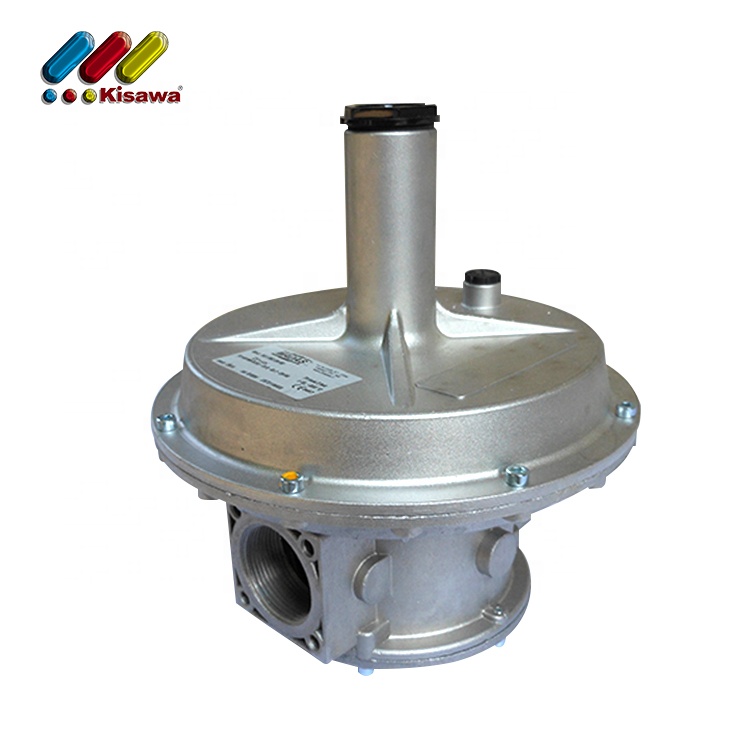
5. Choose the Right Regulator Type
Common types:
• Single-Stage Regulator
Reduces pressure once.
✔ Simple structure
✔ For stable supply pressure
• Two-Stage Regulator
Reduces pressure in two steps.
✔ More precise, stable
✔ Ideal for fluctuating inlet pressure
• Direct Acting Regulator
✔ Fast response
✔ Compact, low cost
For small/medium gas systems.
• Pilot-Operated Regulator
✔ High accuracy
✔ For large industrial consumption
✔ Suitable for burners, furnaces, boilers
6. Consider Safety Features
Choose regulators with additional protection:
-
Over-pressure shut-off (OPSO)
-
Under-pressure shut-off (UPSO)
-
Built-in filter
-
Monitoring port
These prevent dangerous pressure changes and improve system safety.
7. Material and Connection Size
Check:
-
Body material: Aluminum, cast steel, brass (depends on gas and operating conditions)
-
Connection: Thread (DN15–DN50) or flange (DN50+)
-
Temperature rating: e.g., -20°C ~ +60°C
Make sure it matches your pipeline.
8. Consider Brand and Certification
Choose tested and certified products:
-
CE
-
EN88 / EN334
-
UL / CSA
-
ISO
Recommended trusted brands:
-
Dungs
-
Fisher
-
Rego
-
Honeywell
-
Cavagna
-
Emerson
- Madas
9. Installation Environment
Consider:
-
Indoor or outdoor?
-
Exposure to moisture or corrosive gas?
-
Need for venting?
Choose weather-proof or corrosion-resistant regulators when needed.
Quick Checklist (Simple Version)
| Item | What You Need to Confirm |
|---|---|
| Gas type | NG / LPG / Biogas / Other |
| Inlet pressure | From supply line |
| Outlet pressure | Required by equipment |
| Capacity | Nm³/h or kg/h |
| Regulator type | Single stage / Two stage / Direct / Pilot |
| Safety | OPSO / UPSO / Relief |
| Connections | DN size + flanged/thread |
| Certification | CE, EN, UL |
Latest Posts

July 28, 2025
Do you know electric actuator?

April 17, 2026
How to select a gas proportional valve for a gas train

April 16, 2026
How to select a good gas actuator for a gas train

April 15, 2026
How to keep an industrial gas solenoid valve works well
April 14, 2026
How to select a good gas actuator for a gas trian

April 13, 2026

Leave a comment