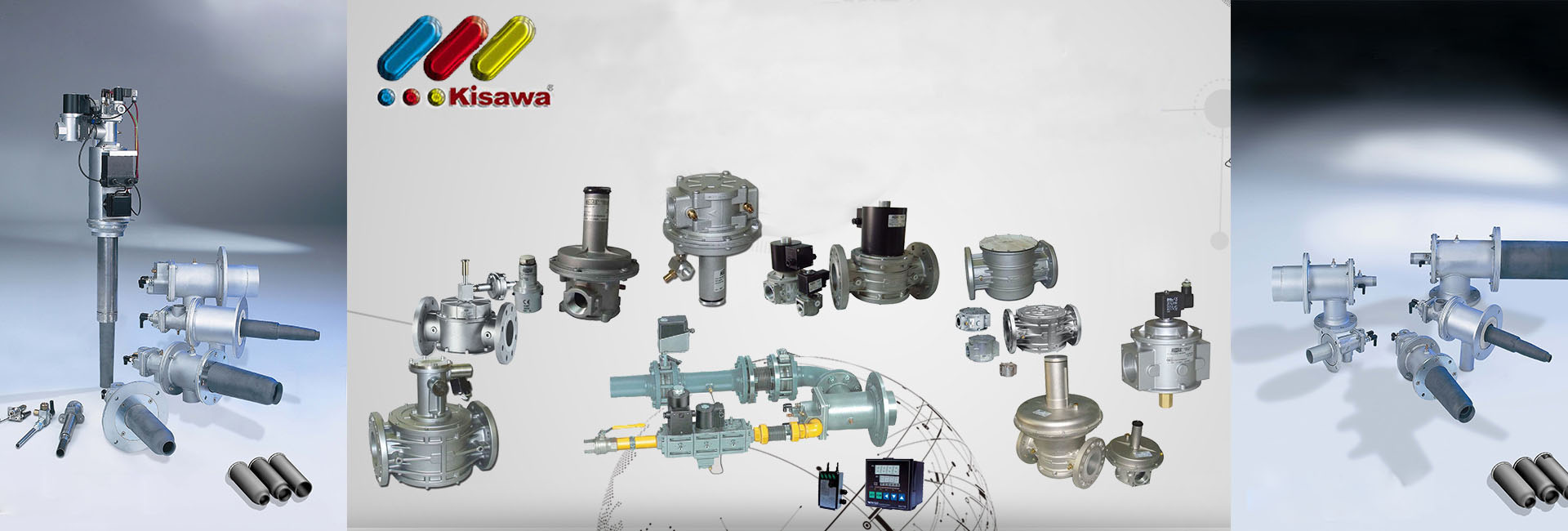
How to keep an indutrial gas solenoid valve works well
Keeping an industrial gas solenoid valve working well is mostly about clean gas, correct operation, and regular checks. Here’s a practical, no-nonsense guide you can actually use in the field 👇
1. Keep the Gas Clean (This Is Critical)
Dirty gas is the #1 killer of solenoid valves.
-
Install a gas filter/strainer upstream of the valve
-
Clean or replace the filter regularly (don’t wait for problems)
-
Blow down the gas line before installing a new valve
👉 If debris reaches the valve seat, it won’t close tightly → gas leakage risk.
2. Use the Correct Electrical Supply
Wrong voltage = overheated coil = early failure.
-
Match coil voltage & frequency exactly (e.g. 220VAC 50Hz, 24VDC)
-
Keep voltage within ±10% of rated value
-
Ensure good grounding and tight wiring connections
🔥 Overvoltage burns coils; undervoltage causes weak opening.
3. Control Operating Pressure & Flow
Solenoid valves are not “one-size-fits-all”.
-
Operate within the valve’s rated pressure range
-
Avoid sudden pressure shocks
-
Don’t oversize the valve (too large = unstable control)
📌 Always check minimum & maximum pressure requirements.
4. Install It Correctly
Bad installation causes good valves to fail.
-
Follow flow direction arrow
-
Mount in recommended position (often horizontal coil upright)
-
Leave enough space for maintenance and coil removal
🚫 Avoid installing where vibration or heat is excessive.
5. Keep Temperature Under Control
Heat kills seals and coils.
-
Keep ambient temperature within valve limits
-
Avoid direct exposure to burner flame or radiant heat
-
Use heat shields if needed near combustion equipment
6. Cycle the Valve Properly
Solenoid valves don’t like abuse.
-
Avoid excessive ON/OFF cycling beyond design limits
-
For high-frequency control, use proportional valves, not solenoids
-
Let the valve cool if operating continuously
7. Do Regular Inspections
A simple checklist saves shutdowns:
-
Listen for abnormal noise (buzzing, clicking)
-
Check for gas leaks at joints and valve body
-
Measure coil resistance occasionally
-
Verify fast opening and tight closing
🛠 Replace worn seals or weak coils early—don’t wait for failure.
8. Keep Spare Parts Ready
For critical gas systems:
-
Keep spare coils, seals, or a complete valve
-
Label valves with installation date and specs
-
Record maintenance history
Quick Summary
✔ Clean gas
✔ Correct voltage
✔ Proper pressure
✔ Right installation
✔ Heat protection
✔ Reasonable cycling
✔ Routine inspection
Phone: 86 185 6630 3837
WhatsApp: 86 185 66303837
Email: ekeilairn@gmail.com
www.http://ekgas.com
Categories
Popular tags
Latest Posts
July 28, 2025
Do you know electric actuator?
February 12, 2026
How to use an industrial gas proportional valve
February 11, 2026
How to use an industrial gas solenoid valve
February 10, 2026
How to use an industrial gas filter
February 9, 2026
How to turn on an industrial gas burner
February 7, 2026
Leave a comment