How to keep an industrial gas filter works well for a gas train
Keeping an industrial gas filter in good condition is mostly about preventing contamination, monitoring pressure drop, and maintaining a disciplined service routine. Here’s a practical, field-oriented guide:
1. Monitor Differential Pressure (ΔP)
This is the most important indicator of filter health.
- Install a differential pressure gauge across the filter
- Track baseline ΔP when the element is clean
- Set alarm limits (typically 2–3× baseline or per manufacturer spec)
👉 Rising ΔP = clogging
👉 Sudden drop = possible element rupture or bypass
2. Regular Inspection Schedule
Set intervals based on gas quality and operating hours:
- Daily/Weekly: Visual check for leaks, corrosion, abnormal noise
- Monthly: Check ΔP trends and housing condition
- Quarterly or per OEM: Open and inspect filter element
In dirty gas systems, inspections may need to be much more frequent.
3. Drain Condensate and Debris
Gas often carries moisture, oil, or particles.
- Drain condensate traps regularly (manual or automatic)
- Clean out accumulated debris from the housing sump
- Ensure drain valves are not blocked
Neglect here quickly ruins filter performance.
4. Replace or Clean Filter Elements
- Follow manufacturer’s replacement interval or ΔP trigger
- Never try to overuse elements—they become inefficient and risky
- If reusable:
- Clean with approved methods (air, solvent, or washing depending on type)
- Fully dry before reinstalling
5. Check Seals and Gaskets
Small leaks can cause big problems.
- Inspect O-rings, gaskets, and sealing surfaces
- Replace hardened or damaged seals
- Ensure proper torque when closing the housing
6. Verify Correct Installation
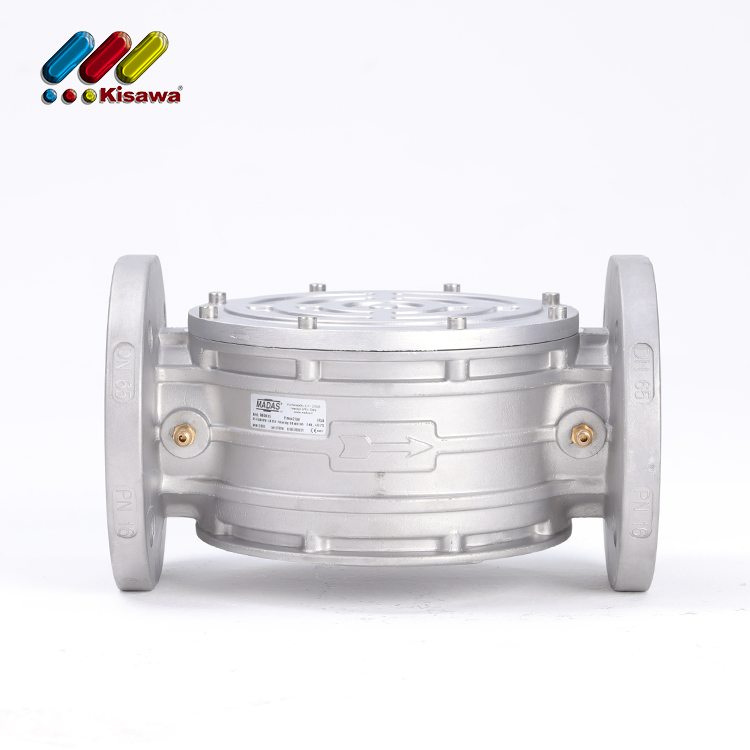
- Confirm flow direction (arrow on housing)
- Ensure proper alignment in the gas train
- Avoid mechanical stress from piping (use supports if needed)
7. Protect Against Corrosion
- Use coatings or stainless materials if gas is corrosive
- Periodically check internal and external surfaces
- Remove rust and repaint if necessary
8. Maintain Upstream Equipment
A filter is only as good as what’s before it.
- Ensure upstream separators, scrubbers, or dryers are working
- Avoid sudden contamination (e.g., pipeline cleaning debris)
9. Keep Spare Parts Ready
- Stock filter elements, gaskets, and drain components
- Reduces downtime during maintenance
10. Record and Trend Data
- Log ΔP, replacement dates, and issues
- Identify patterns (e.g., frequent clogging → upstream problem)
Typical Failure Modes to Watch
- Clogging → high ΔP, reduced flow
- Element collapse → downstream contamination
- Seal leakage → bypassing unfiltered gas
- Corrosion damage → structural risk
- Phone: +86 185 6630 3837
WhatsApp: +86 185 66303837
Email: ekelairn@gmail.com
Web.: http://ekgas.com
Categories
Popular tags
Actuator
Better industrial gas filter
Burner
Burner controller
Burtterfly valve
Butterfly valve
combustion
Controller
Electric actuators
Filter
Gas burner
Gas controller
Gas filter
Gas mixer
Industrial burner
Industrial gas burner
Porportional valve
Proportional valve
Regulatoer
Regulator
Relief valve
Shut off valve
Solenoid valve
Thermal energy equipment
Latest Posts
July 28, 2025
Do you know electric actuator?
April 20, 2026
How to select a good burner for an industrial line
April 17, 2026
How to select a gas proportional valve for a gas train
April 16, 2026
Leave a comment